

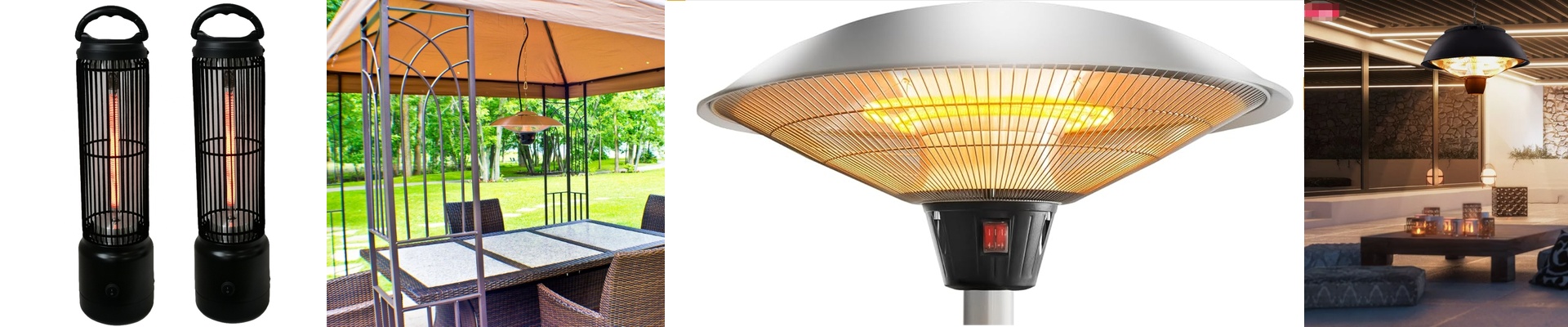
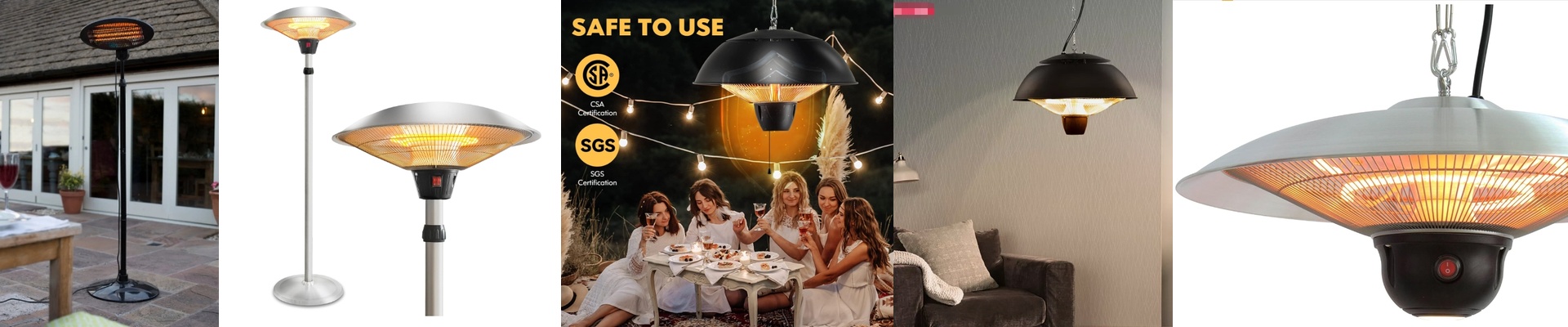
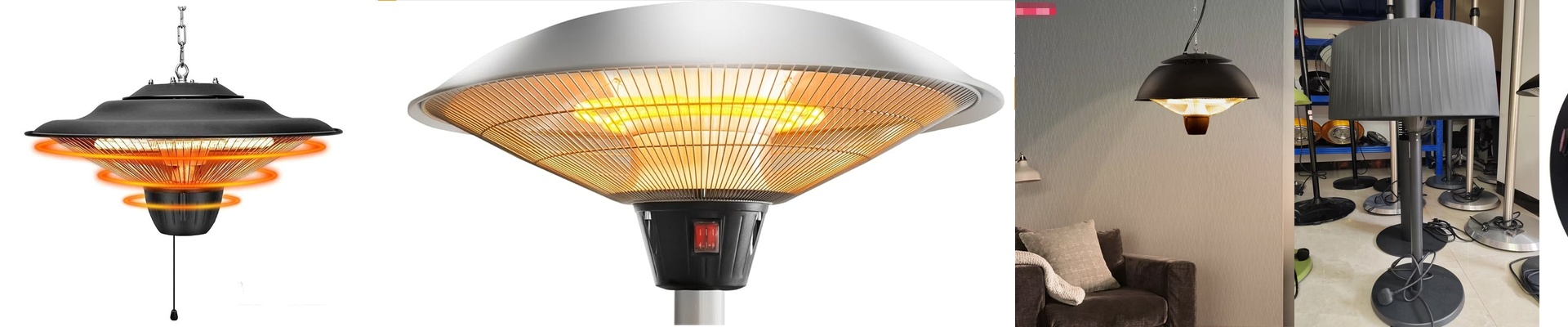
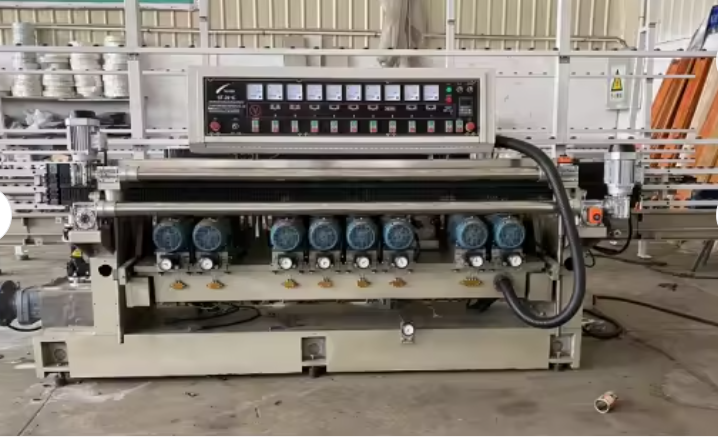
Out on the plant floor, glass heating problems don’t stay hidden. You see bowed sheets, uneven sag, and optical distortion that ends up scrapping a whole run. When the heater can’t hit the profile fast enough, the line drags, tempering furnaces run off-spec, and lamination cycles slip. The 2026 glass heater that’s been selling well is built to stop that from happening. It uses near-infrared (NIR) radiation to put repeatable, process-controlled heat right where glass processing needs it. Infrared gives you a thermal field that’s uniform across the surface, and the response is quick enough to cut soak time. Because the radiation is directional, it hits the glass directly instead of heating the air around it. That means faster temperature rise and tighter control over the bend contour and tempering curve. In EVA and SGP lamination, you end up with fewer bubbles and a bond line that stays consistent. For insulating glass sealing, the heat stabilizes the desiccant bed without cooking the edges. On the floor, that shows up as fewer rejects from thermal stress, higher throughput, and lower energy per part. This unit fits glass lines because it acts like industrial equipment, not a lab toy. It holds stable output shift after shift, repeats setpoints reliably, and drops in as a module for many OEM ovens and bending stations. You get shorter ramp-ups, predictable dwell times, and less scatter between operators. Plan for clean mounting surfaces, and verify emissivity on coated or low-e glass. Reflective or low-emissivity surfaces can cut absorbed energy and shift the profile. Match voltage and connector type to your station, and confirm clearances so the radiation hits the target zone without shading. Once aligned, the heater runs with minimal maintenance. But alignment and surface condition are what decide whether you hit the target temperature the first time—and every time.