
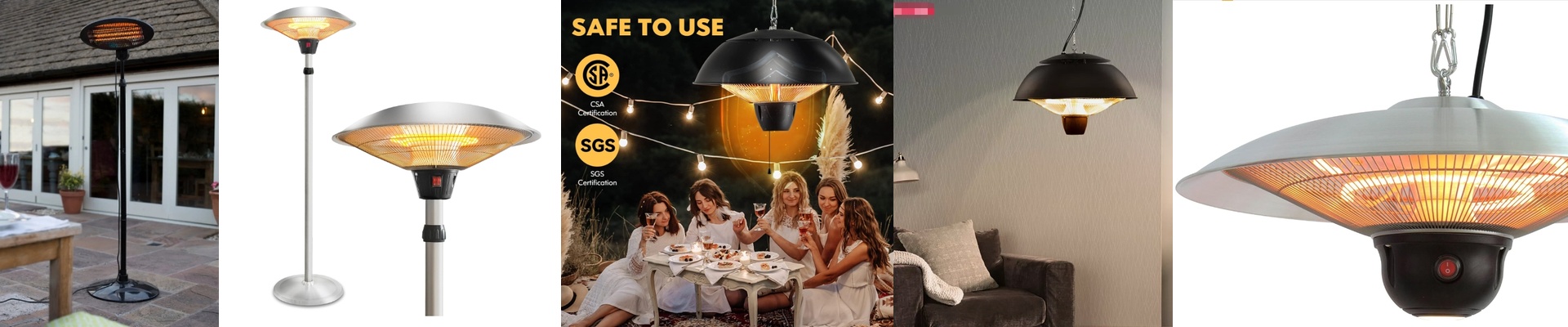
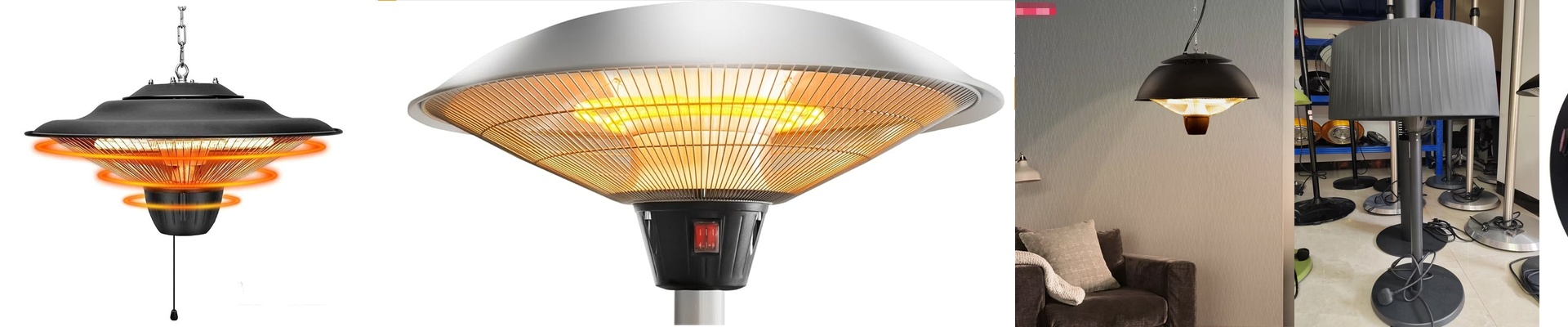

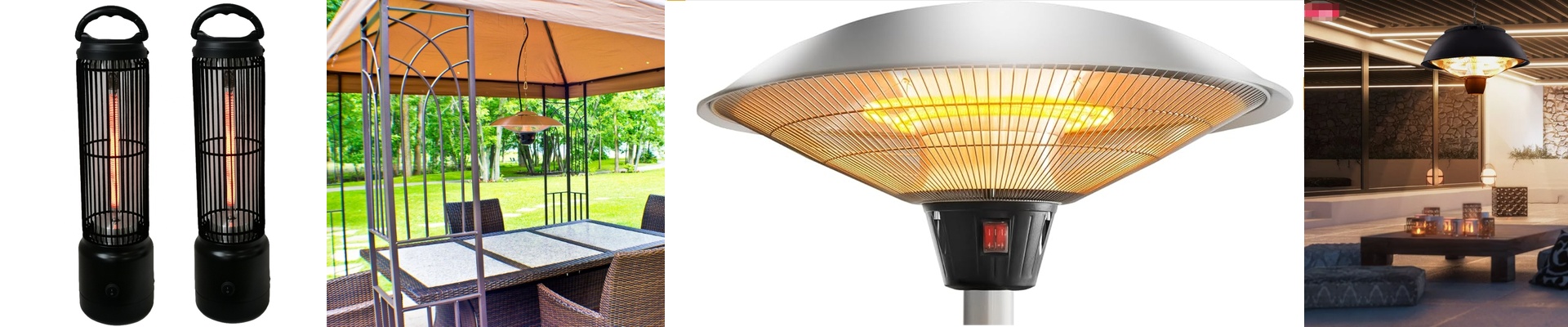
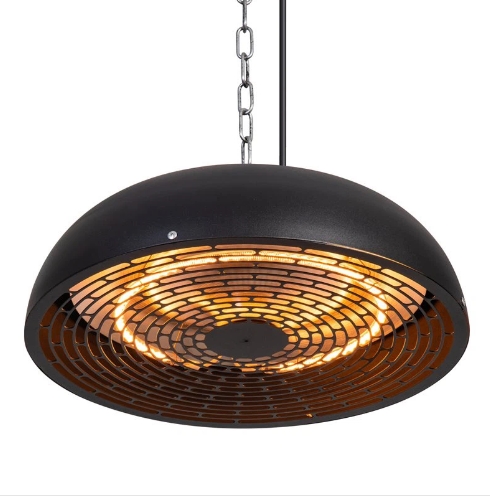
Winter nights in a hotel room can hit harder than the hallway thermostat lets on. Forced-air systems warm the air, sure, but they also leave you with drafts, dry skin, and that stubborn chill that pools near the floor. The upshot is restless sleep and a room that never really feels cozy.
What Matters Technically
We build our hotel room infrared heaters around specific wavelengths that deliver radiant warmth—think sun on your skin, minus the glare. The heart of the unit is a carbon fiber element that puts out near-infrared, heating people and surfaces directly instead of the air. You feel comfort within seconds of switching it on, not after a long wait. In practice, the heater sits in the 2–5 μm range, a sweet spot that penetrates to warm the body surface and keeps the profile gentle and even. It runs quiet—no fan noise—and the exterior stays touch-safe thanks to a low surface temperature. For control, an adjustable thermostat and multiple heat settings let you match the output to how the room is being used.
Why It Works Here
In a hotel, comfort comes down to how quickly guests settle in—and how consistently the room holds that feeling. Radiant infrared cuts down cold spots and drafts, so the bed, the chair, and the floor all feel welcoming. Because the heat goes where it’s needed, energy use stays sensible, especially in rooms that sit empty for stretches. Guests tend to complain less about dry air, and the gentle warmth can help ease muscle tension after travel. For staff, the heater is straightforward to operate and maintain—no filters to swap, no moving parts to wear out.
Things to Know
Placement matters. Mount the heater where the radiant warmth can reach the main seating and sleeping areas, and keep clearance from bedding and curtains. Most models plug into a standard outlet, but a dedicated circuit is smart for steady operation. In rooms tight on wall space, a compact profile or a corner-friendly design keeps the footprint discreet. Infrared warmth is efficient, but it performs best when paired with good insulation—sealing drafts and adding weather stripping makes the comfort feel that much more natural.