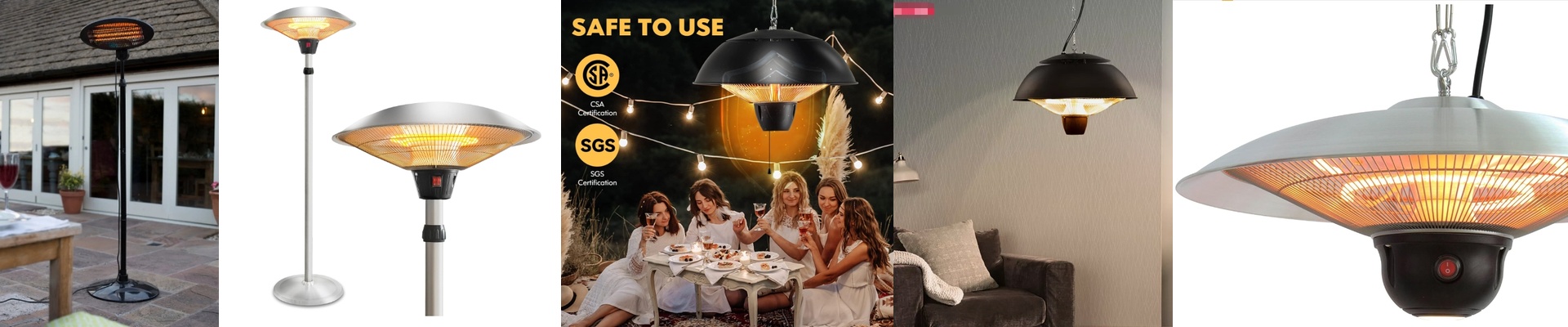
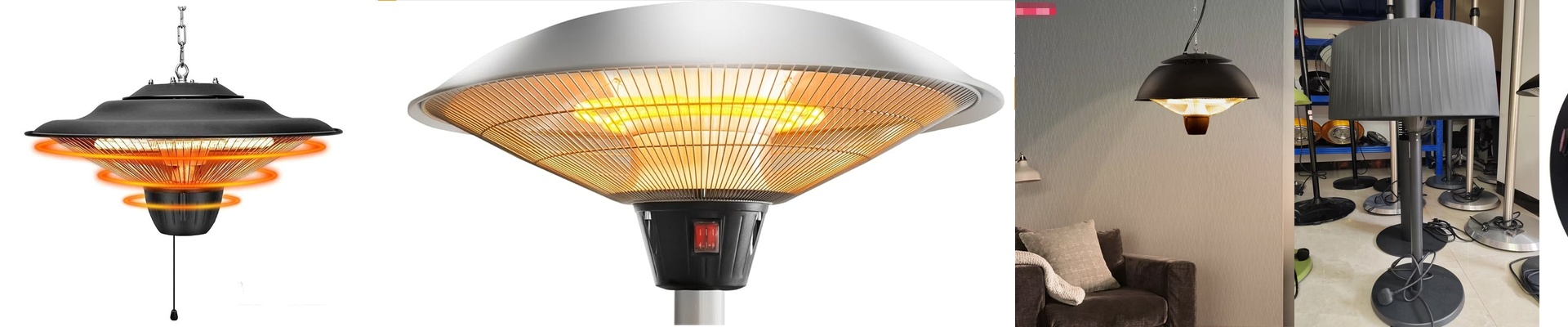
In a greenhouse, night doesn’t wait for your timetable. The temperature drops, and that’s it—plants slow down, roots stall, and the whole day’s effort can slip away before dawn. You don’t need a heater that just shows up. You need a heating approach that holds the environment steady, predictable, and in your hands.
What matters under the hood
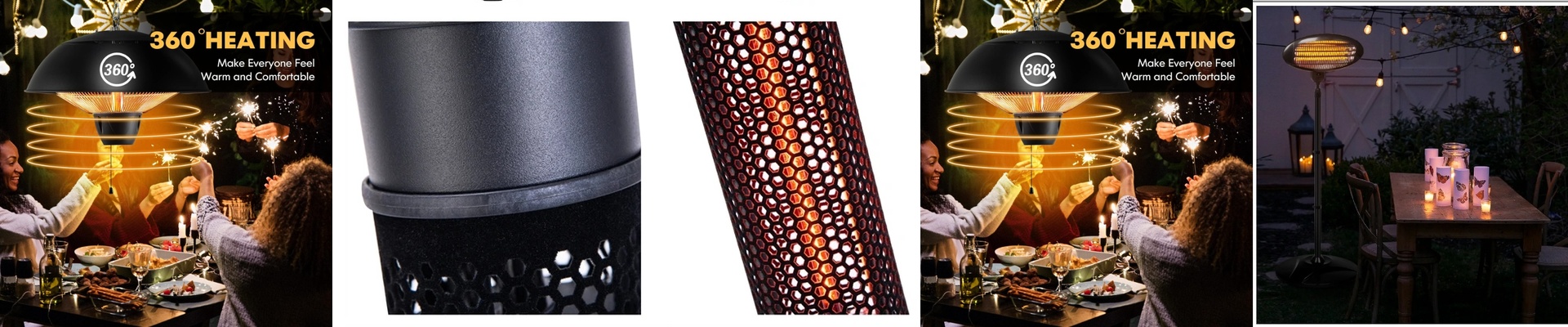
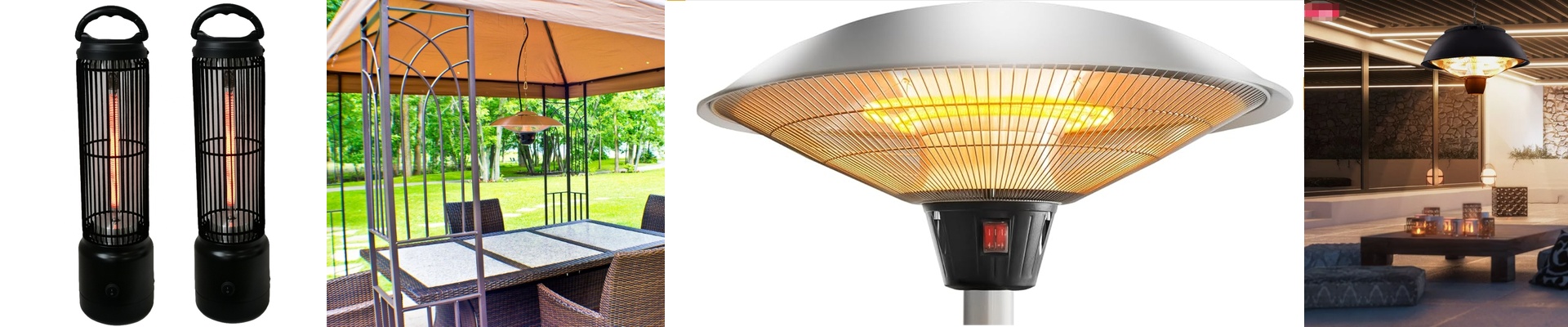
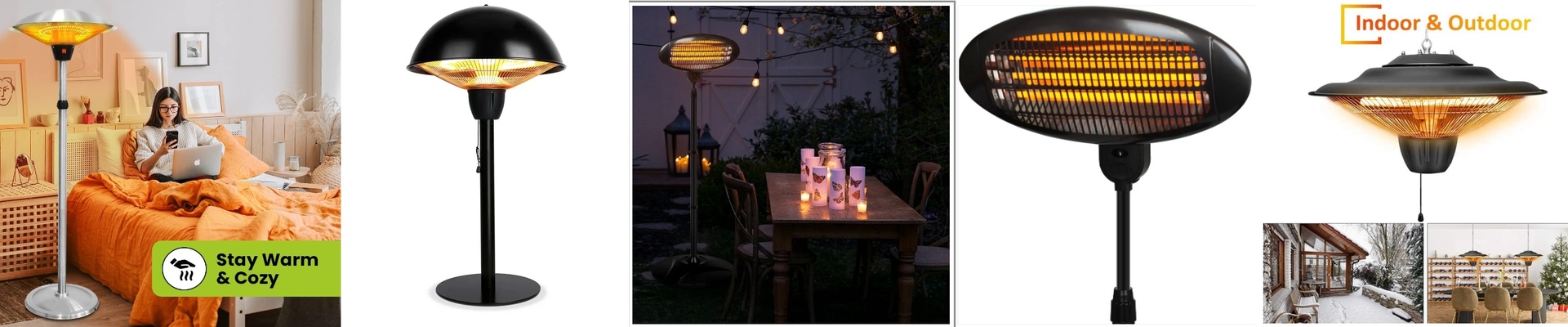
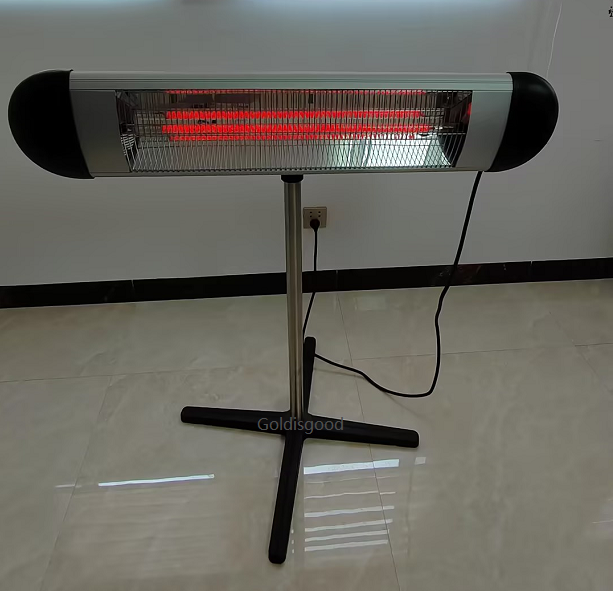
Greenhouse infrared heaters put out radiant warmth, so the heat travels straight to plants, soil, and benches—right where it counts—without having to warm the air first. That keeps the air drier and less prone to wild swings. We build these units around high-output quartz elements that come on fast, so there’s no long warm-up when cold settles in. Many models run off a standard electric supply, and they include practical safety details like tip-over protection and overheat cutoff. For control that works day-to-day, pair the heater with a thermostat to hold the setpoint, and pick an IP rating that can handle humid greenhouse conditions.
Why this fits the job
In a commercial greenhouse, consistency is the bottom line. Radiant infrared heat helps keep root-zone temperatures stable, which supports even growth and cuts down on the stress that leads to weak stock. Because the warmth is directional, you can focus heat where the plants are thick and leave other areas cooler—which helps you manage running costs. The immediate response also makes it straightforward to guard against sudden cold snaps without overheating the space, and the dry heat helps you keep a lid on moisture levels that otherwise invite disease.
What to watch for
Infrared greenhouse heaters do their best work when you place them to cover the target canopy and avoid direct glare on sensitive foliage. Heat distribution is line-of-sight, so spacing and aim matter—especially with tall crops or dense benches. For season-long reliability, confirm the unit’s IP rating, and make sure the thermostat is rated for the humidity and temperature swings inside a working greenhouse.