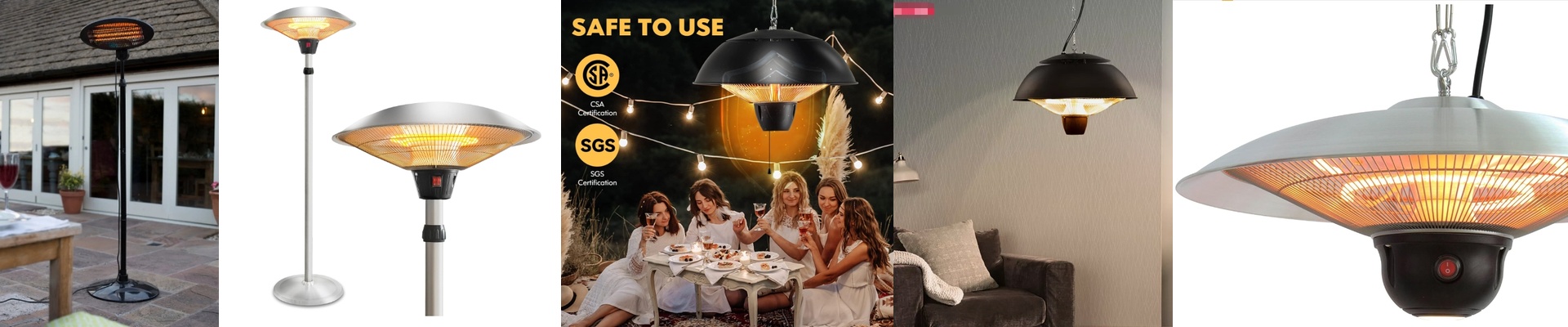

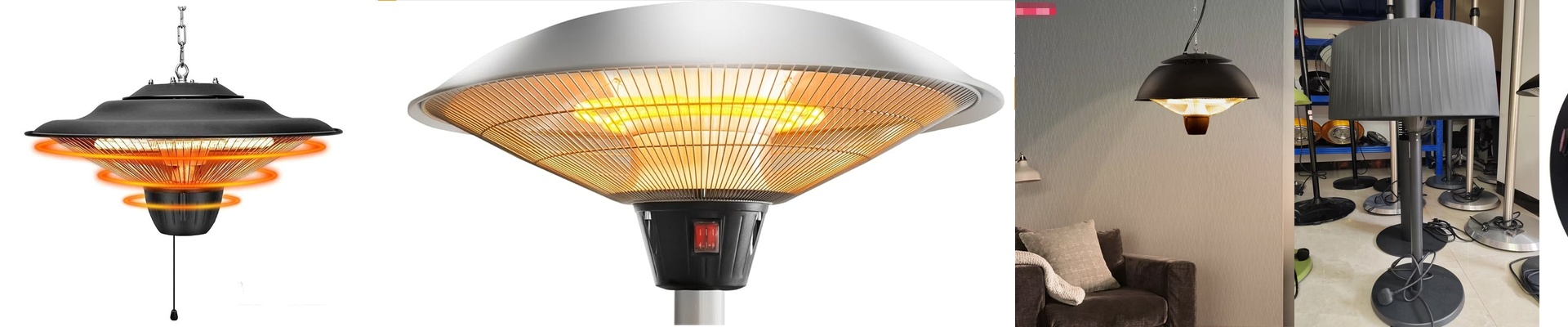
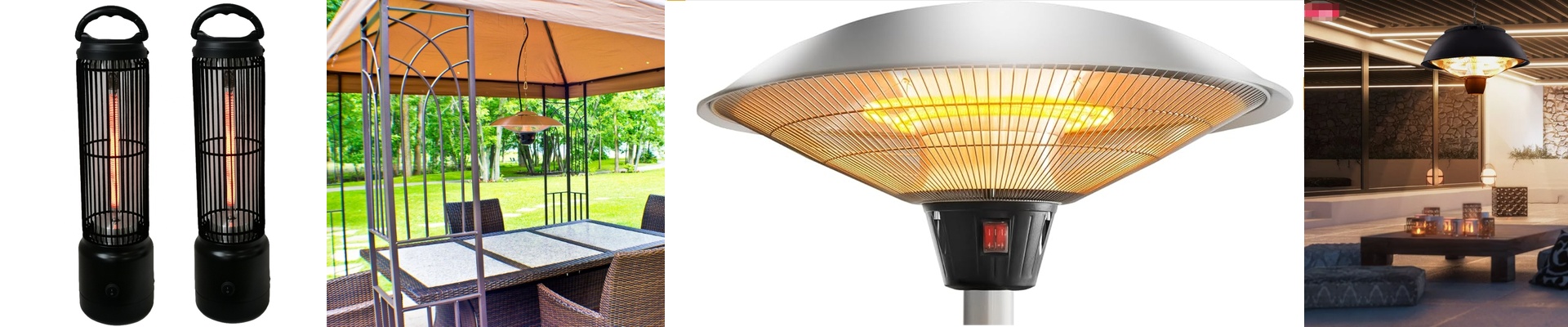

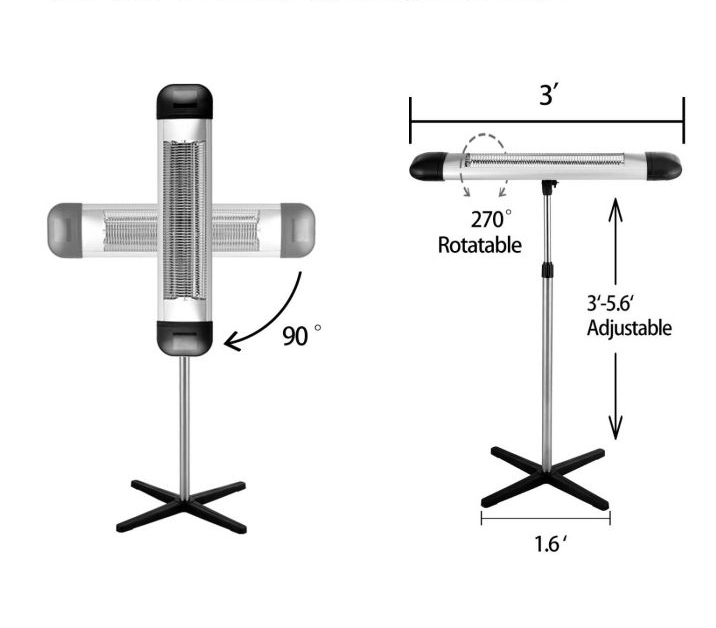
In a gallery or museum, the wrong kind of heat can mess things up faster than the cold ever could. Convection heat stirs up dust, creates uneven hot spots, and drives humidity swings that make wood, canvas, and pigments fight back. So we built an attic-ready infrared space heater that warms the room without putting your collection at risk.
What matters, technically
Infrared warmth works the way sunlight does—radiating heat directly to people, floors, and walls, not the air. We use a quartz tube element that produces short-wave infrared, so response is fast and the beam is controllable. You get instant warmth on demand, with no warm-up lag. The low-glare design keeps visual comfort intact in a gallery, and it runs quietly, so audio tours and quiet spaces stay undisturbed.
Why it fits this setting
Radiant heat stays put. It doesn’t circulate air, so particulates settle instead of getting kicked around, and relative humidity stays more stable. That matters when you’re protecting sensitive materials. You can aim the heater to focus warmth where visitors stand, while cooler zones stay around exhibits. With precise thermostat control, you hold a steady comfort band without big swings—keeping staff and guests cozy while helping conserve collections.
Here are the practical details
This is an electric infrared heater, so it needs a dedicated circuit and proper clearances from combustible materials. Placement is key: mount high, direct the beam, and don’t shade the element. It warms what it “sees,” so for even coverage in large rooms or around obstructions, plan on multiple units. For full protection, pair it with an approved environmental monitoring system. The payoff is targeted warmth that respects the space—and the art.