

On the glass processing floor, the flash-off zone is where the day’s schedule gets made—or unmade. Right after the paint line, coated glass runs through here, and if the solvent doesn’t flash off clean and fast, you’re going to see trapped moisture, pinholes, and adhesion failures later in the process. Heat that’s uneven? You risk thermal stress fractures on substrates that are already sensitive. And if the module is slow to recover, the whole line backs up. We build flash-off zones for glass paint around one simple idea: deliver heat quickly, with control, without breaking glass or losing quality. It’s not about warming the surface for its own sake. It’s about driving off solvents without boiling the coating, keeping the glass flat, and keeping the line moving.
What actually matters, technically
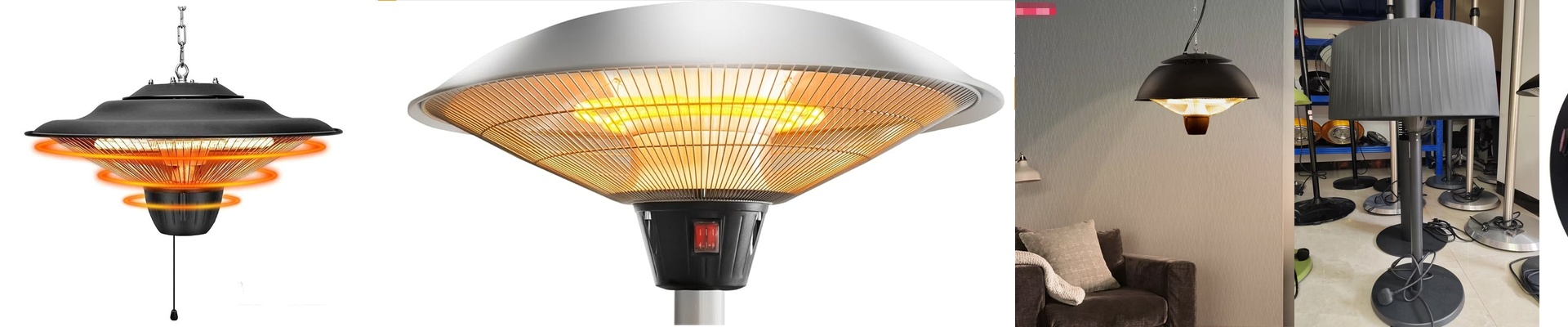
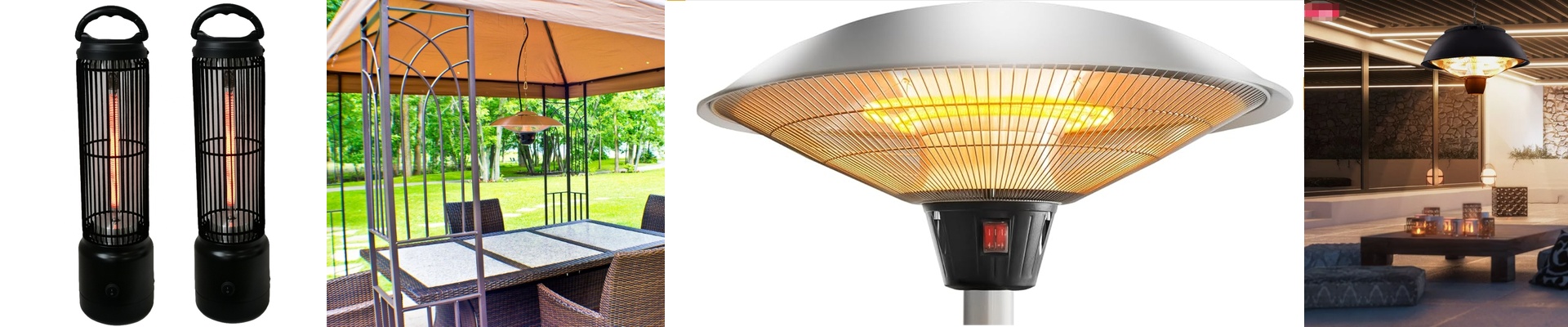
Treat the flash-off zone like what it is—an industrial heating stage. The choices you make here set the performance ceiling for the entire coating line. Heating method: Near-Infrared (NIR), tuned for the coating. NIR heats the coated surface directly, not the air around it. That cuts convective losses and gives you fast response. For glass paint, we tune the spectrum to match the absorption of the coating and the solvents, while wasting less energy into the bulk of the glass. The payoff is rapid solvent removal inside a narrow thermal window—fast enough for high throughput, controlled enough to avoid blisters and orange peel. Temperature control: closed-loop, zone-stable, repeatable. A flash-off zone needs stable setpoints with tight tolerance across the full width. We use closed-loop control tied to real-time sensor feedback, not open-loop estimates. That keeps the thermal profile consistent from pass to pass, which matters when you switch colors, change coat thickness, or run thin glass. Uniformity: design the thermal field, don’t chase hot spots. Uneven heat shows up as edge overheat, center under-dry, or streaking. We engineer the irradiance pattern so the entire width sees the same energy density. Match that with the right dwell time, and you get uniform solvent removal without differential expansion that can stress tempered or heat-strengthened glass. Response and recovery: we’re talking seconds, not minutes. Line speed is set by the slowest stage. If the flash-off zone lags, the coater and the lehr end up waiting. NIR modules hit operating temperature fast and recover quickly between loads, so you can run continuous production and handle short changeovers without losing pace. Power density and footprint: fit the line, don’t force the line to fit you. Industrial flash-off zones have to live in the real space of conveyor lines and machine bays. We match power density to product width and line speed, so you get the heat input you need without oversized infrastructure, excessive electrical demand, or wasted floor space. Durability: it has to survive the glass plant. Glass plants are harsh—heat, dust, and heavy duty cycles. The heating elements, reflectors, and housings need to handle thermal cycling, particulate load, and high-humidity solvent plumes without degrading. We spec materials and sealing methods that keep output stable shift after shift.
Why this approach holds up in practice
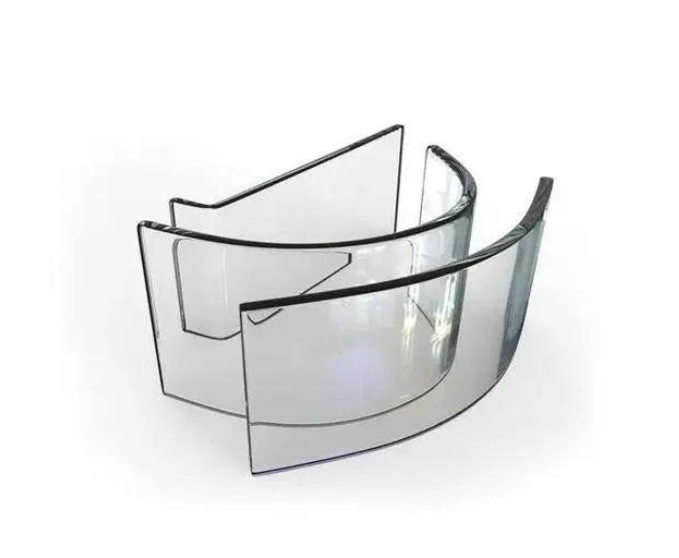
The flash-off zone sits between the coating station and the final cure or lamination steps. In real life, it has to solve three problems at once. It removes solvents predictably. Glass paint and functional coatings need controlled solvent release. Too slow, and the coating skins over while solvent stays trapped—bubbles and poor adhesion follow. Too fast, and you get surface boiling, craters, and uneven gloss. The flash-off zone gives a rapid but controlled temperature rise that pulls solvents out at a rate the coating can handle. It preserves glass integrity. Glass—especially tempered and coated products—doesn’t forgive thermal shock and stress. Uneven heating creates localized expansion that can crack a sheet, sometimes quietly, until inspection or downstream processing reveals it. The flash-off design keeps the thermal field uniform and the heating profile smooth, so you reduce thermal shock risk and stop losing yield to thermal fracture. It keeps line speed honest. When the flash-off zone is the bottleneck, throughput falls through the floor. A responsive heating module lets you match the pace set by the coater and the lehr. Short changeovers stay feasible, and you stop burning minutes waiting for temperature recovery. You also get more stable quality. Consistent flash-off conditions mean consistent surface energy, consistent adhesion, and fewer rejects that only show up at final inspection—or worse, in the field. That means fewer rework cycles and less downtime chasing defects. Energy use drops when the heating is targeted. Direct, fast heating avoids heating huge volumes of air and heavy conveyor components. Over a year, especially on 24/7 lines, the kWh savings add up.
What you need to keep in mind
Flash-off zones perform when they’re treated as part of a controlled process, not as a standalone heater. Integration is mandatory. The zone has to align with conveyor width, clearance, and dwell length. If the dwell is too short, no heater can fully flash the solvent. If clearance is wrong, you get shadowing and uneven drying. We size the module to match your line geometry and line speed. Ventilation and solvent handling are part of the system. Flash-off produces solvent vapor. The zone needs proper capture and extraction to keep concentrations below the lower explosive limit and to prevent vapor from settling back onto the coated surface. Plan make-up air and exhaust routing to match the module layout. Glass emissivity and the coating stack change the game. Different glass types and coating layers shift how the surface absorbs energy. The process window moves with emissivity and color. When you change products, adjust the thermal profile and verify with a short run and measurement. There’s one trade-off: speed versus sensitivity. Higher line speeds need higher power density. On very thin glass or highly stressed tempered parts, pushing speed too far raises the risk of thermal stress. The practical move is to tune speed and temperature together, using measurement and controlled ramp rates to find the maximum stable rate for your product mix. If you’re running glass paint and need a flash-off zone that keeps the line moving without sacrificing yield, build around heating that’s fast, controlled, and repeatable. That’s how you keep solvents out, coatings intact, and throughput up—shift after shift.