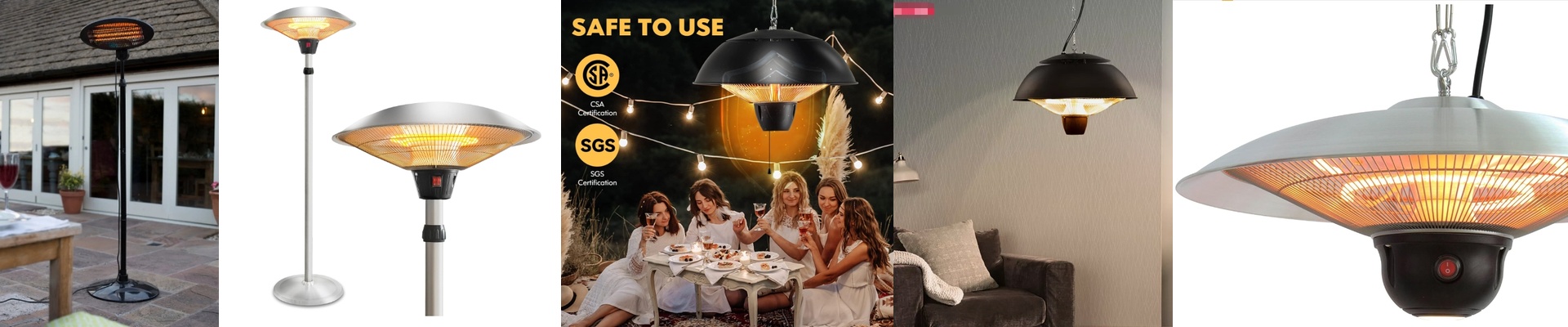
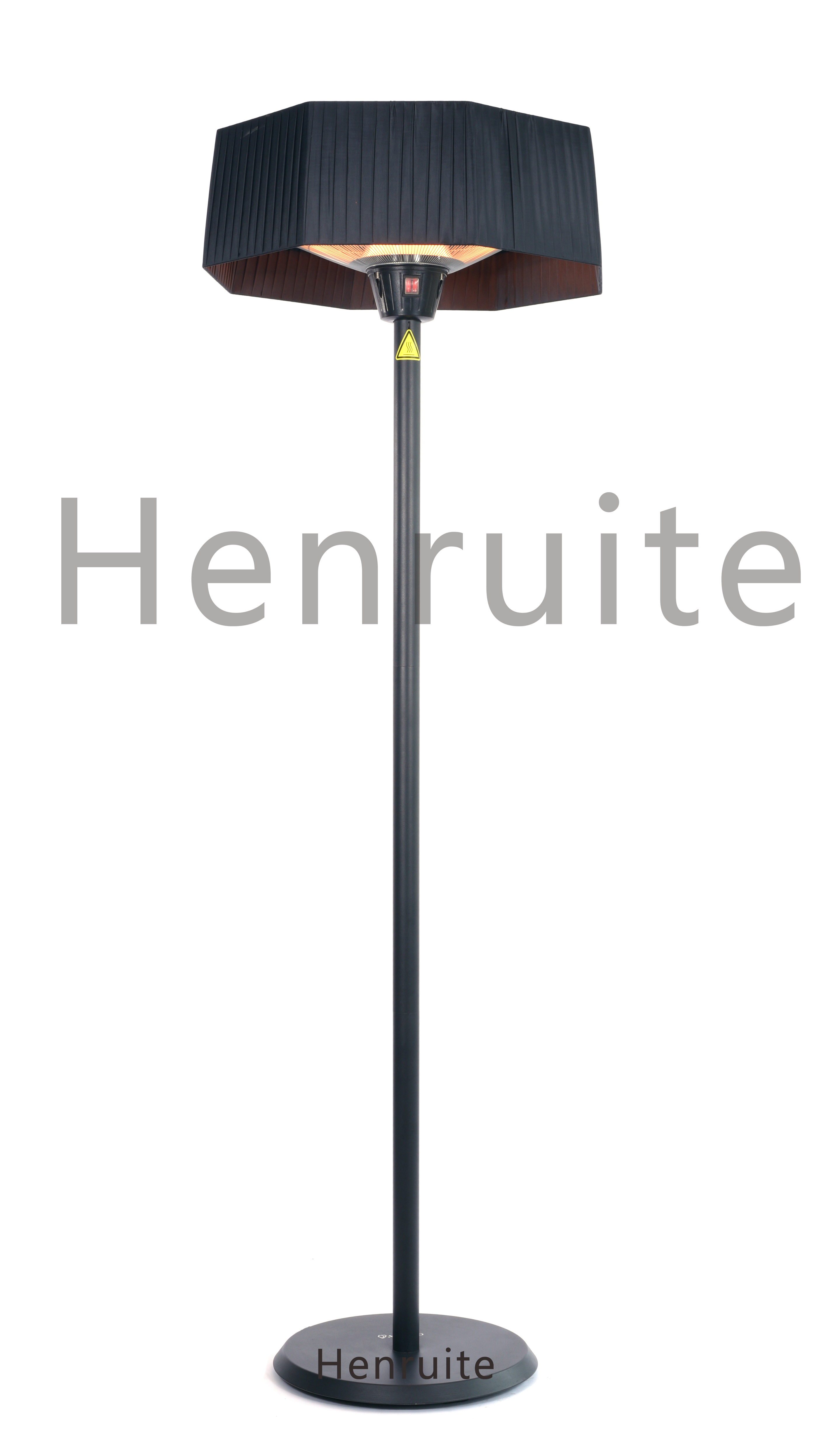
In a display window, dust settling on fine fabrics or electronics can tank the look. In a lab, air turbulence from forced-air heaters can throw off readings and foul clean benches. The requirement is the same either way: warmth that stays quiet, invisible, and particle-free.
What matters, technically
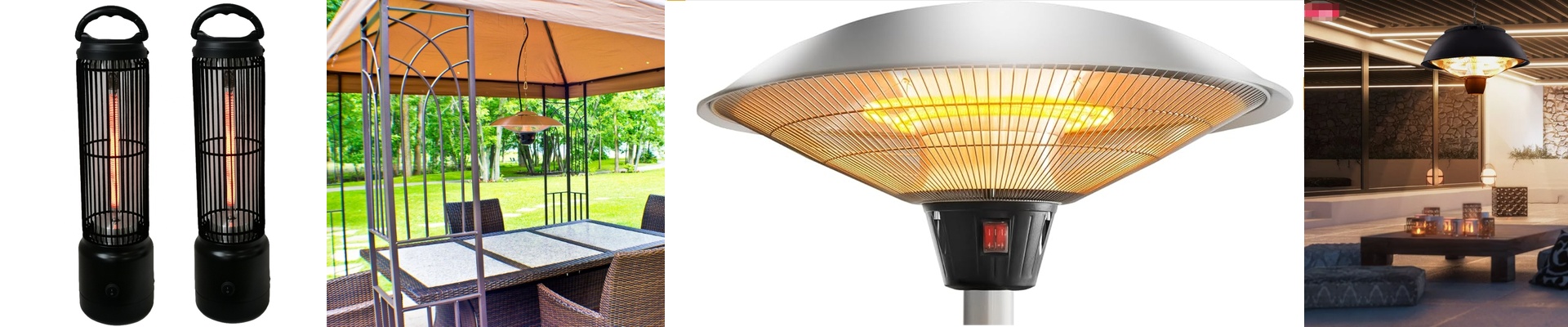
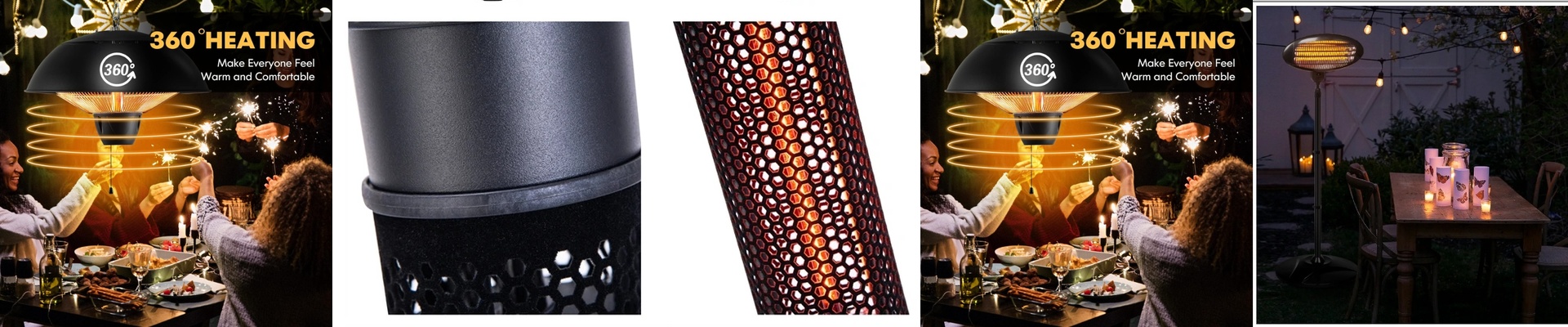
A quartz electric heater delivers infrared warmth through a sealed quartz tube that houses the resistive element. The tube is gas-tight, so the element stays isolated from the space around it. Heat comes off as radiant energy, warming people, surfaces, and samples directly—no moving air involved. You end up with a steady, even temperature field, no fan noise, and no dust getting pushed around. Response is fast—typically up to set temperature in minutes—and control is straightforward with a thermostat or solid-state controller for repeatable settings.
Why it works in these spots
In a display window, you need a stable microclimate that protects delicate materials and keeps the scene looking clean. Quartz infrared heaters deliver targeted warmth without stirring up dust or drafts, so fabrics, glass, and electronics stay clean and dry. In labs, that same clean heat helps maintain stable conditions around sensitive instruments and samples. Because the heater warms by radiation, it doesn’t disturb laminar flow or introduce particulates. Energy use stays sensible, too: the heat goes where it’s needed, so you’re not just heating empty air.
What you need to know
Quartz infrared heaters are compact and easy to position, but they do need proper mounting and clearance to nearby objects. Plan for safe distances to avoid overheating adjacent materials, and make sure the voltage and plug type match your facility. For labs, confirm compatibility with your control system and any safety interlocks you need. Here’s the practical bit: radiant heat warms surfaces directly, so ambient air can feel cooler than the object temperature.Set your control based on the most sensitive item, not the air a few feet away.