

Stop the Chipping: Why We Preheat Glass with IR
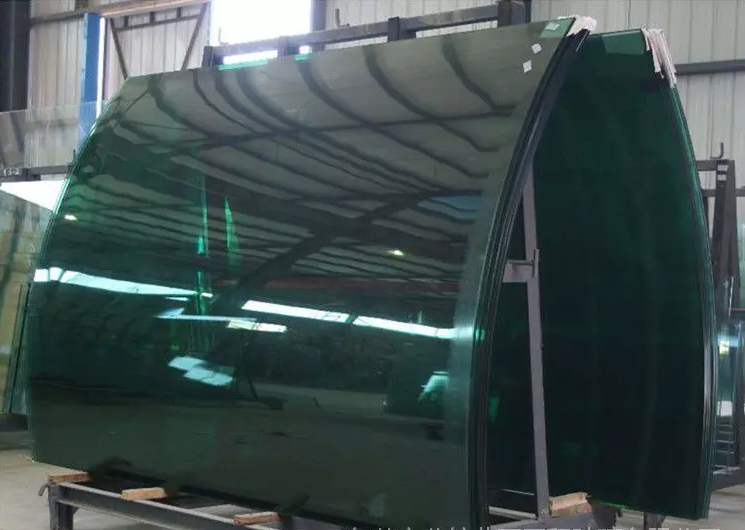
If you’ve ever tried to cut cold glass, you know the frustration. You get those annoying little chips or a messy “breakout” right at the corners. It happens because the cracks just wander wherever they want. The fix? Heat it up first. We use short-wave infrared (IR) heaters to warm the surface before the cutting head even touches the glass. Think of it as relaxing the material. It softens that molecular tension, so when you make your score, the crack follows a straight line instead of jumping all over the place. The balance of heat Here’s the thing: it’s all about the sweet spot. When the IR radiation hits the glass, it sinks in fast and levels out the internal stress. If you get the temperature just right, the glass becomes pliable enough to stop those tiny micro-fractures from turning into big, ugly chips. But you can’t just crank it to max. Too hot, and you’ll shock the glass. Too cold, and you’re right back to square one with a pile of scrap. You really need your IR lamps and your conveyor speed talking to each other in real-time. The gear we use We usually go with quartz halogen lamps. They pack a punch and generate the kind of high heat density you need when the line is moving fast. We stick with R7s or SK15 connectors. Why? Because when a tube finally burns out, you want to swap it in seconds, not minutes. We spec these for high wattage so the glass hits the target temp without needing a massive footprint on the shop floor. The real-world headaches Now, IR preheating isn’t a magic wand. It comes with its own set of chores. First, those high-wattage lamps put out a ton of ambient heat. If you don’t have your cooling fans and ventilation dialed in, your control electronics are going to cook. And please, for the love of everything,keep the tubes clean. If dust builds up on the quartz, you get hot spots. That’ll either kill your lamps early or leave you with uneven heating across the sheet. It’s a bit of a balancing act, but once it’s tuned, the difference is night and day. You stop fighting the material and start actually producing.