

A cold bathroom doesn’t just make bath time miserable. It quietly sets the stage for dampness, and once dampness sets in, mold has a way of coming back. In a baby’s room and bath, warmth needs to be gentle, consistent, and dry.
What matters, technically
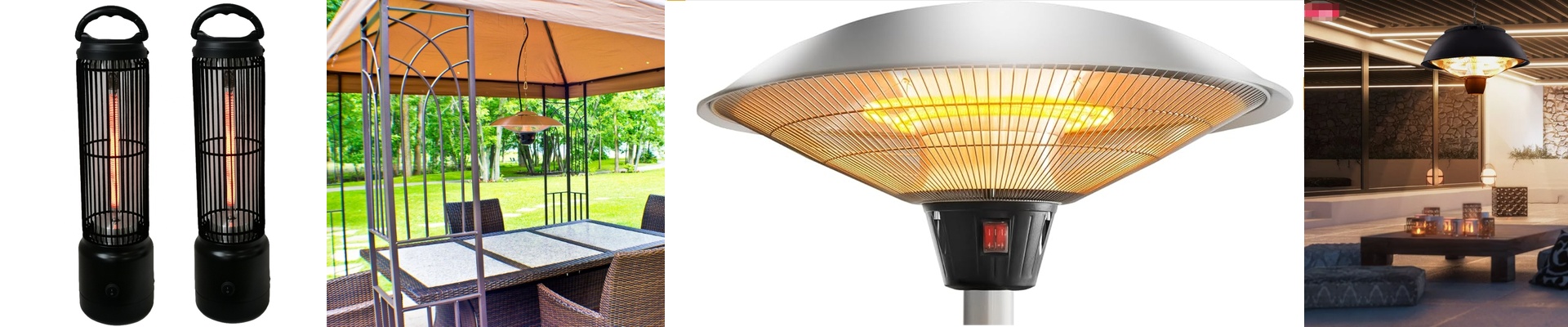
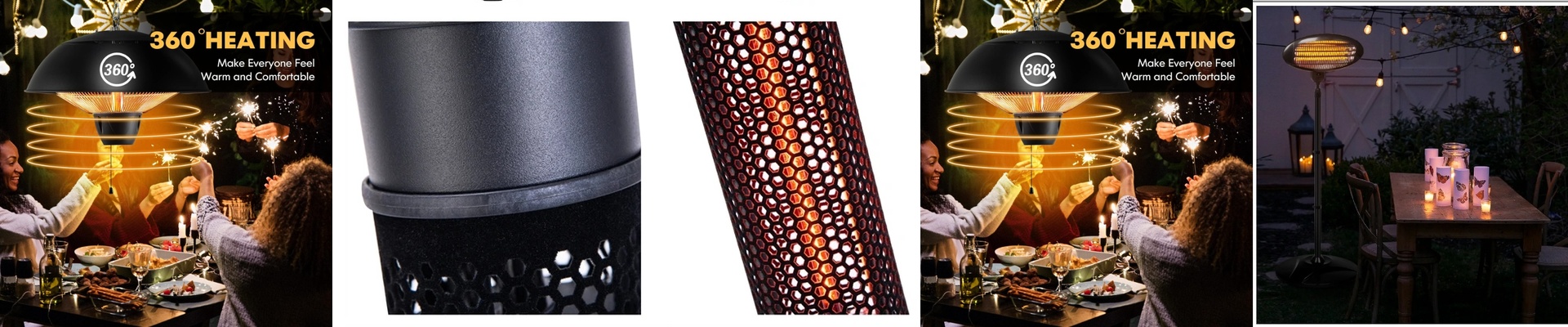
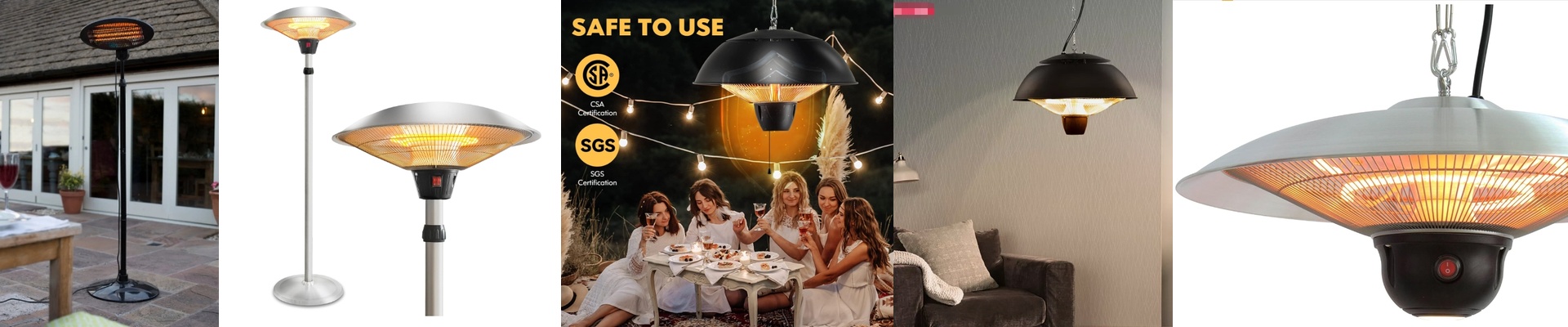
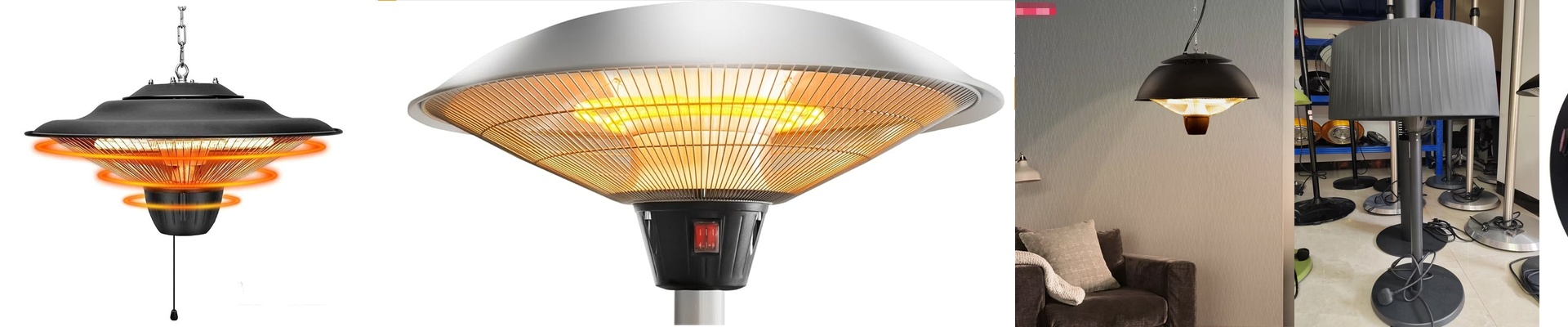
We build our baby room heaters around short-wave infrared, using a quartz tube to deliver radiant heat straight to people and surfaces. You feel the warmth immediately—no waiting around for the air to warm up. The element runs at 1200–1500W on a standard 120V outlet, so it fits typical home wiring and can be paired with a thermostat for steady comfort. Infrared heats the tub, the tile, and the towels first, which helps cut down on the cold spots where condensation tends to form.
Why this works in a nursery bath
In a nursery bathroom, the big win is a drier environment. By warming surfaces, infrared keeps those abrupt temperature swings from triggering condensation. Less condensation means fewer damp corners and a slower cycle of mold growth. The payoff is a calmer routine: bath time feels smoother, the air stays fresher, and you spend less time wiping down walls. The heater also lays down soft, even warmth for your baby, so baths feel soothing instead of jarring.
Things to know
This unit is for indoor use and needs a dedicated circuit. Mount it at a safe height, well away from direct water spray, and we recommend a GFCI outlet for added protection. It works best as a supplemental heat source, paired with good ventilation. For full comfort during the coldest stretches, combine it with a small fan-forced heater to manage the ambient air temperature.