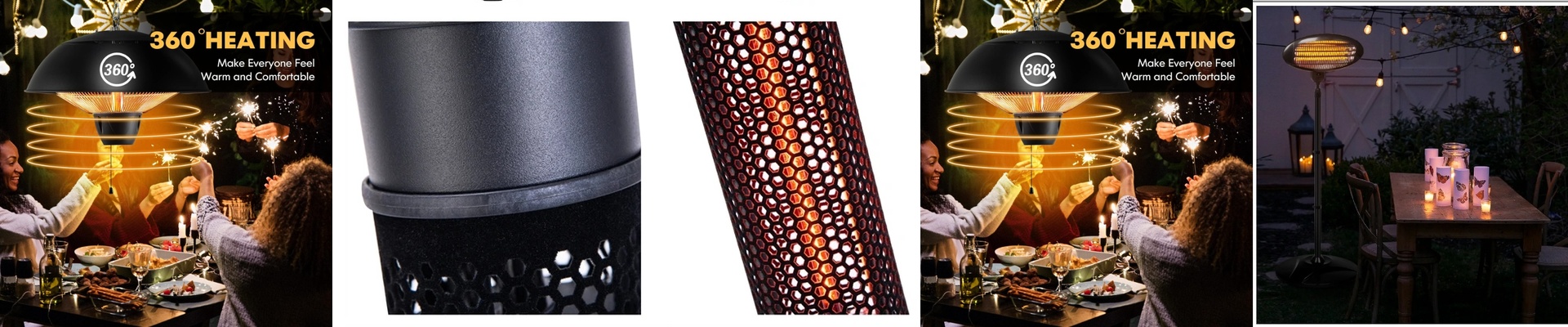
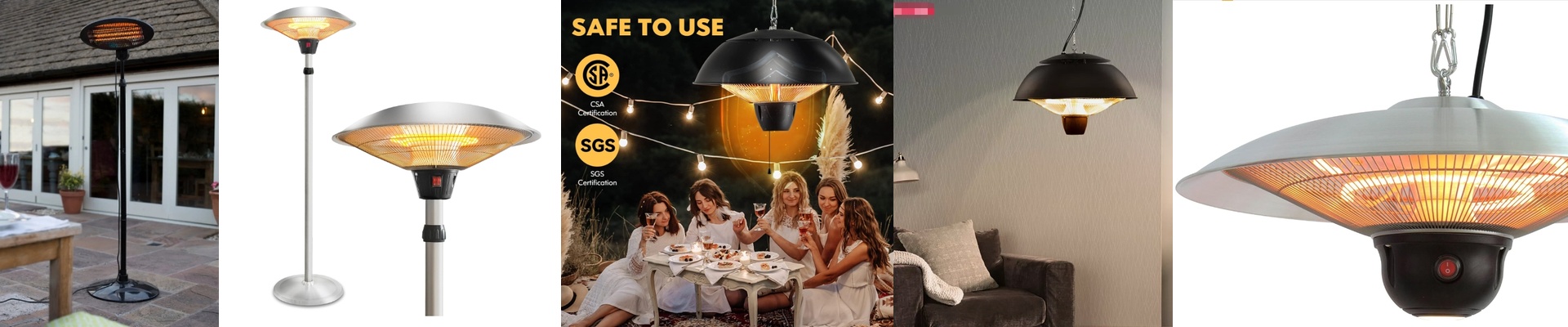
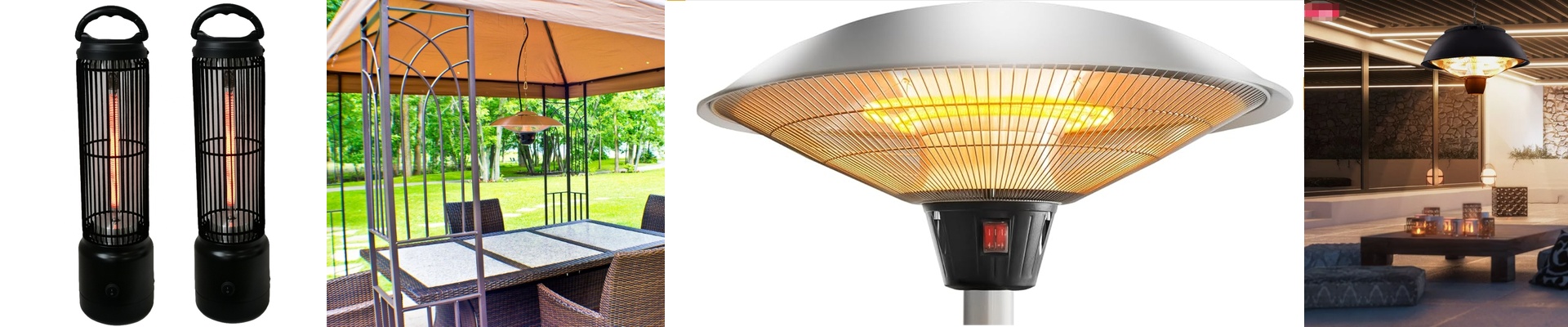
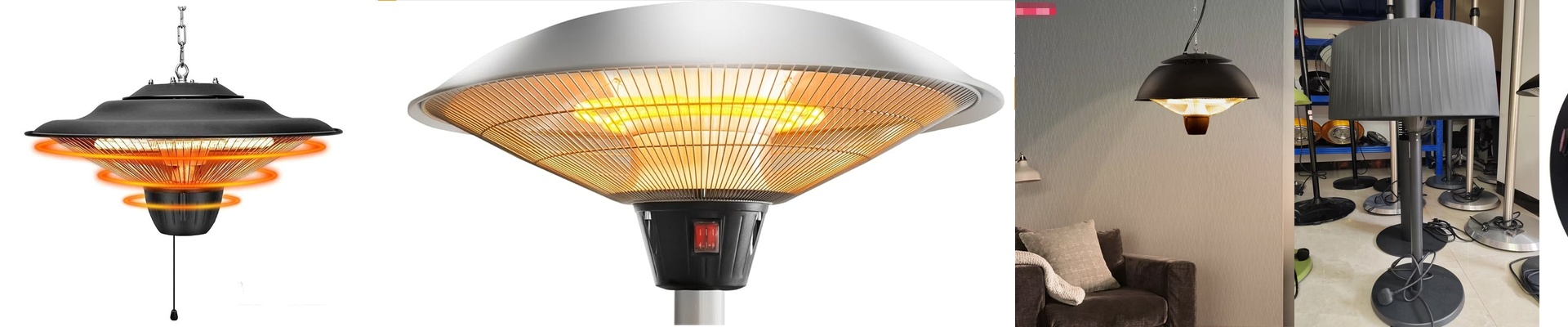
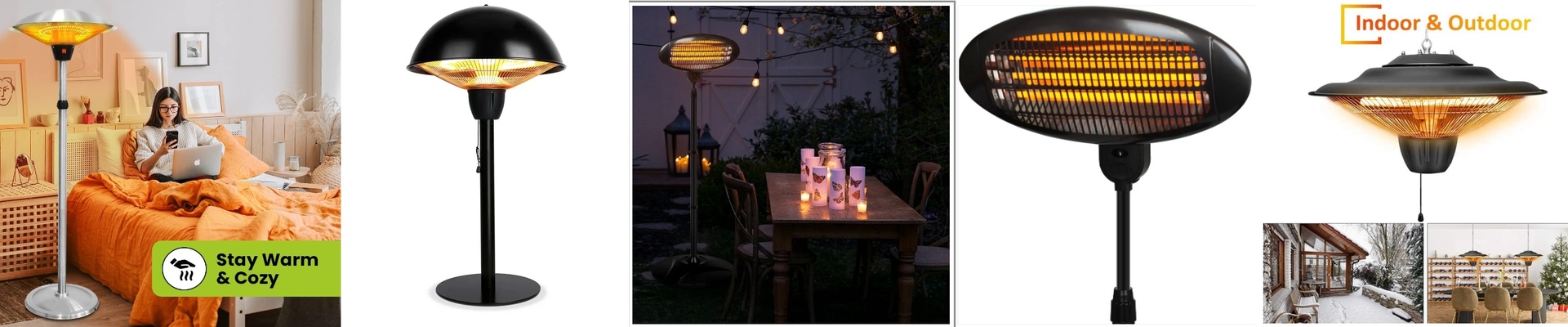
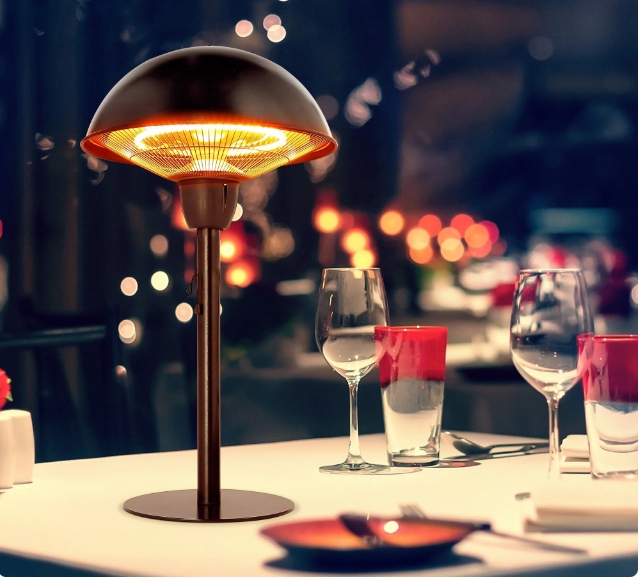
We wanted to solve a problem that goes beyond just making a space warm: how do you heat the places you actually live—without throwing money and energy at the whole house? The practical answer is an electric blow heater, built to deliver focused heat on demand. Use it on the patio, in the workshop, or in a chilly corner of the living room, and you get comfort where you want it, without the waste.
What’s actually happening under the hood
An electric blow heater pulls air in, heats it fast, and sends it out through a directed outlet. Inside, you’re typically looking at an efficient heating element—often paired with a quartz tube or a durable resistive core—so you feel the warmth within seconds of flipping the switch. We pair that with a built-in thermostat, so the unit cycles on and off to hold your set temperature instead of running wide open. Most models run on standard household voltage, plug into a grounded outlet, and stay compact enough to place where you need the heat: near a seating group, beside a workbench, or at the edge of an outdoor dining area.
Why this style of heating makes sense
This is all about zoning. Instead of heating an entire house, you warm the spot you’re actually using, which keeps energy use focused. Outdoors, that means fewer interruptions—conversations keep going, and dinner doesn’t have to end when the sun goes down. Indoors, you get a steady feel without the draftiness that can come from other systems, so the room stays comfortable without overheating. The comfort you get feels intentional, not costly.
The details that matter on the job
Because it’s a forced-air electric heater, it needs breathing room. Keep clearance around the unit—curtains, furniture, and any combustible materials need space. It’s best used in covered or sheltered spots; if it’s out in the wind, the heated air disperses quickly and performance drops. The unit is quiet for what it is, but you will hear the fan—just a soft, steady sound that most people tune out after a bit. Plug it into a dedicated outlet when you can. If you must use an extension cord, choose a heavy-duty cord rated for the heater’s amperage.