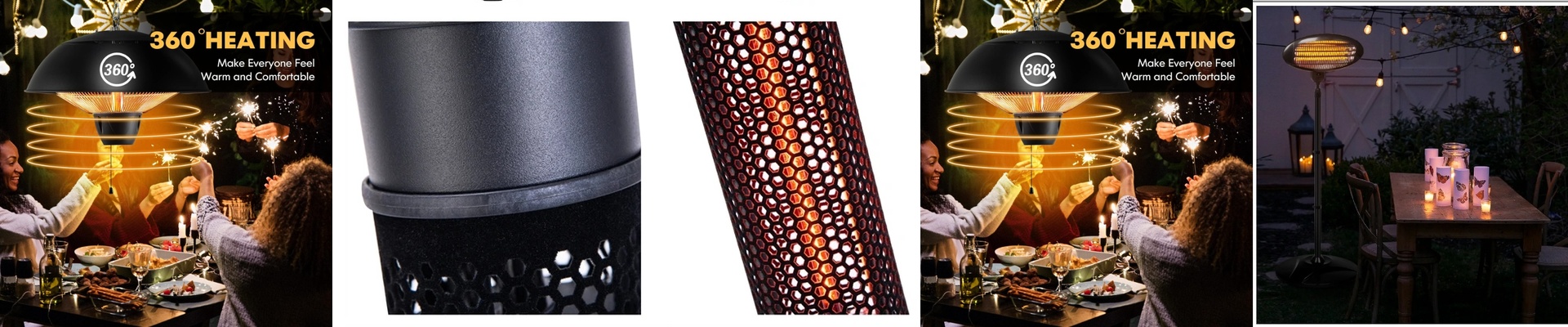
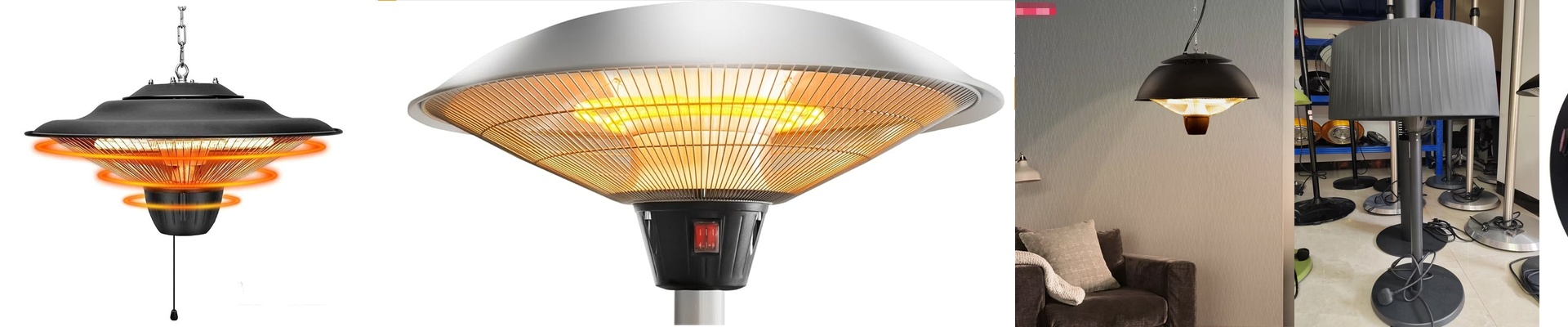
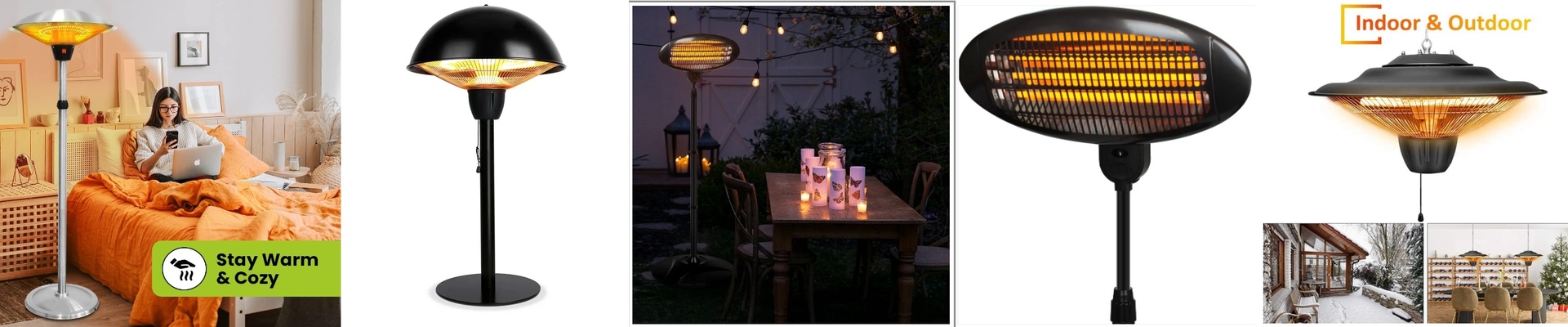
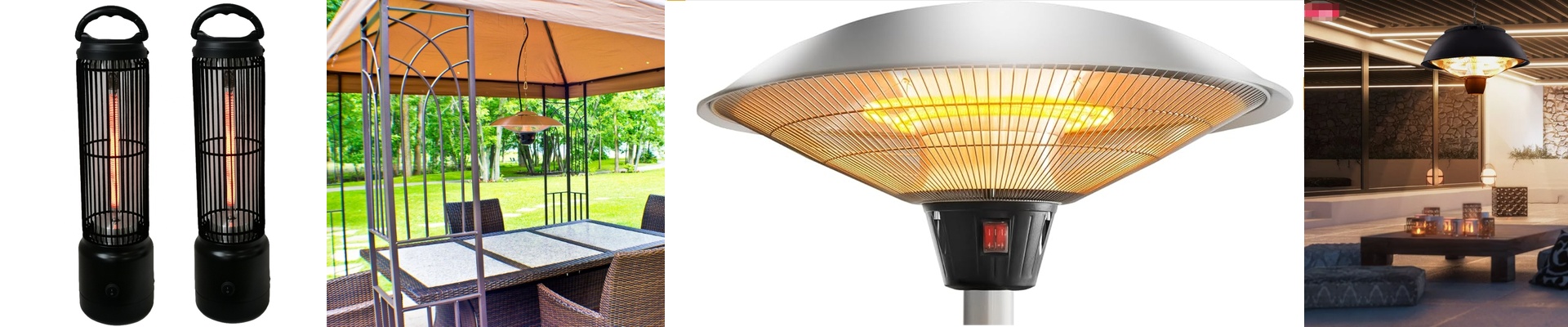
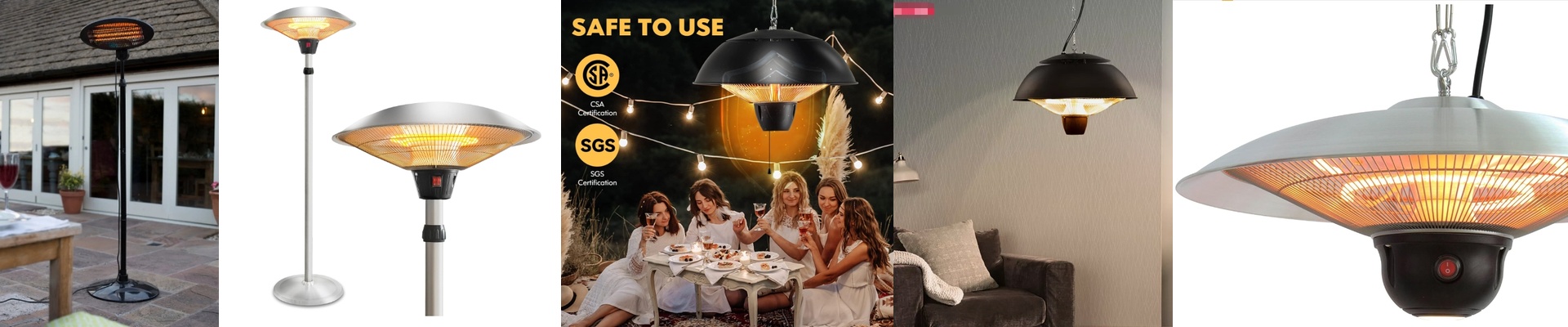
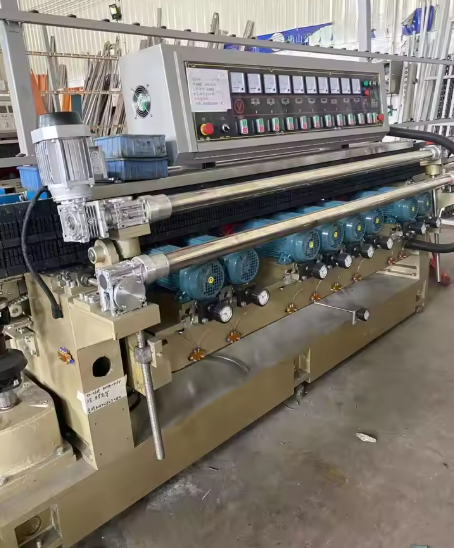
On the line, an uneven heat profile across the blowpipe shows up immediately—micro-cracks during forming, warp in bending, and optical distortion that turns good glass into scrap. We built the glass blowpipe heater lamp to take that variability out, giving a stable, even thermal field right where the glass meets the heat. What matters under the hood The lamp runs short-wave infrared elements inside a quartz envelope, chosen for fast response and predictable emissivity across the glass heating band. The reflector geometry is tuned to spread energy evenly along the blowpipe, so you get consistent temperature instead of hot spots and cold shoulders. Specs are straightforward: 230–460 V input, power matched to the work envelope, and a rugged ceramic/metal termination that can take repeated thermal cycling. The payoff is repeatable heat-up and controlled hold temperature, so thermal stress doesn’t spike. Why it holds up in real work In glass blowing, bending, and press-ready conditioning, you want shape and surface quality that repeats without chasing drift. Uniform heating cuts the steep local gradients that kick off cracks and shape drift, so your forming window tightens and first-pass yield goes up. Fast ramp-up supports higher throughput, and stable temperature control means fewer manual corrections. Energy use drops because the heat is focused where it needs to be, not wasted on convection-heavy overheating. What to watch on install and in the long run Installation is simple, but alignment is everything. The blowpipe has to sit on-axis with the focal band; even a small offset will skew temperature and show up as uneven wall thickness. Quartz is sensitive to mechanical shock and needs a clean thermal environment—keep coolant lines and nearby fixtures from radiating back onto the lamp. Plan replacement intervals as part of preventive maintenance so output stays consistent over time.