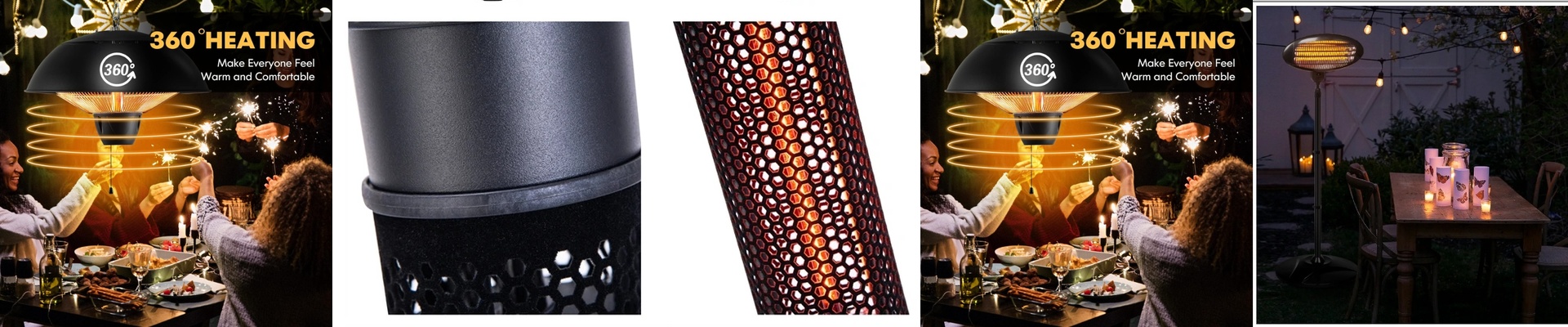
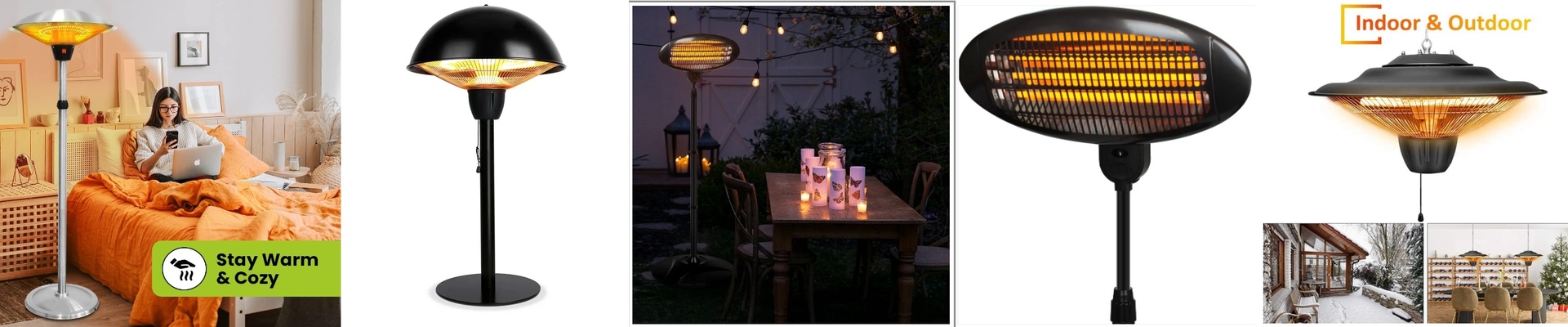
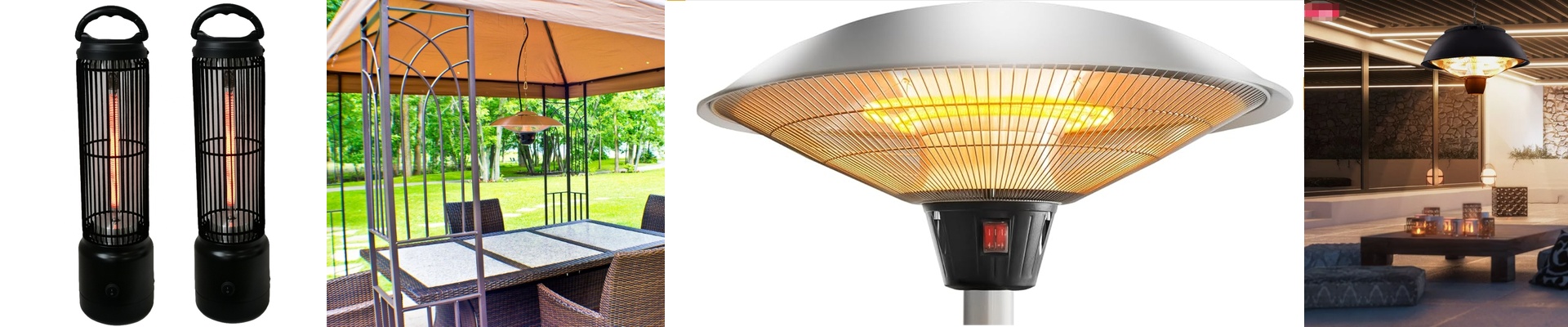
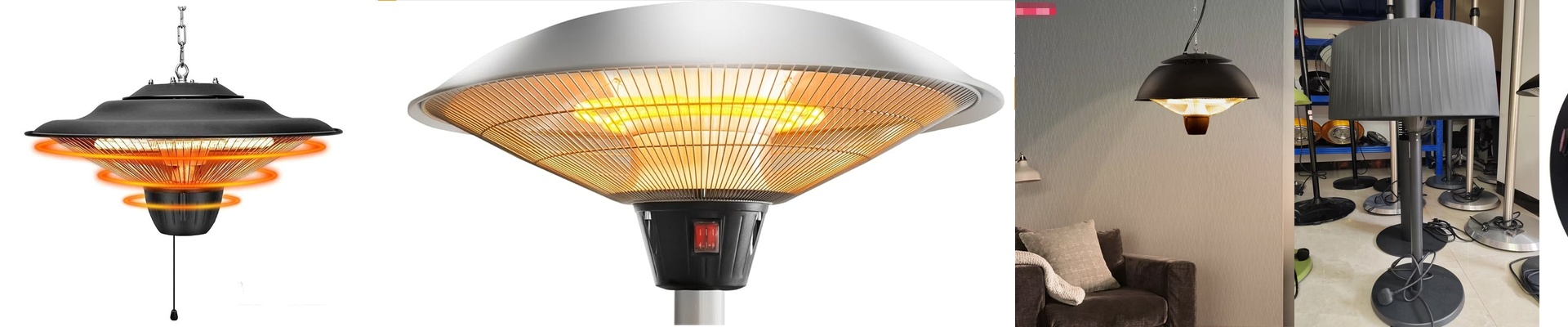
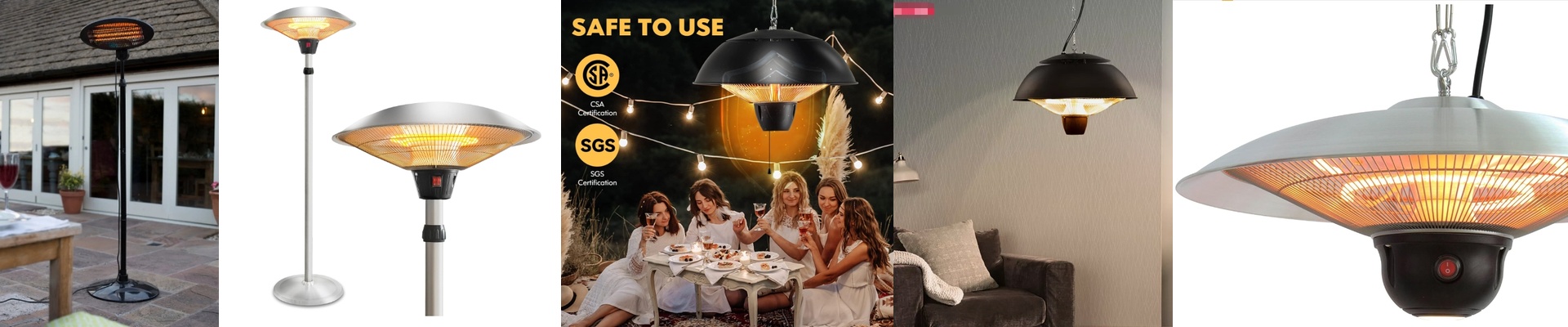
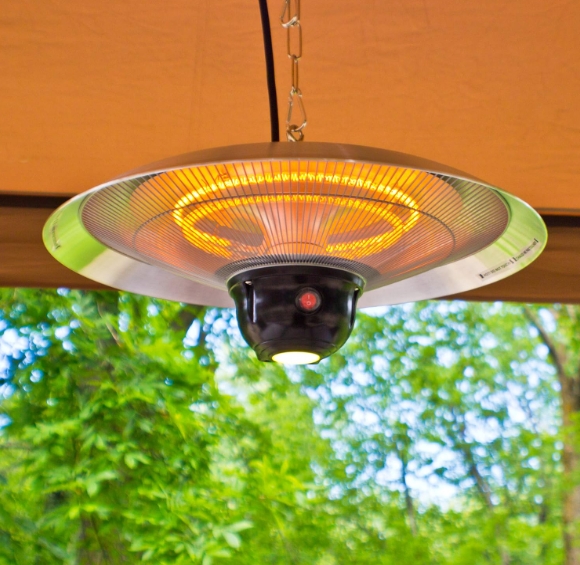
Outdoor evenings go quiet fast when your heater starts coughing, flickering, and then gives up. That’s more than a hassle. It’s a safety issue, and it almost always starts at the weakest link: the lead where power feeds the heating core.
What matters under the hood
Inside a modern infrared electric heater, the element runs hot—800°C and higher—while the power cord stays near room temperature. That spread creates constant expansion and contraction at the joint. If the seal isn’t built to proper factory tolerances, moisture and oxygen get in. Over time, the internal conductors oxidize, connections weaken, and the unit can short out or die. We spec our infrared heaters with a lead seal built to a factory-grade standard: multi-stage potting and compression that locks the transition zone. It keeps the guts isolated from humidity, dust, and the daily thermal cycling that tears through cheaper seals. The payoff is measurable: stable performance through thousands of on-off cycles, no drift in output, and no hot-spot degradation around the terminals.
Why this matters where you actually use it
This matters most where the heater lives—on a patio, under a covered porch, or beside a garage workshop. Outdoor air carries moisture, and evenings cool fast. A weak seal turns that routine environment into an aging machine. With a properly sealed lead, you get consistent infrared warmth the moment you flip the switch, fewer callbacks, fewer replacements, and a calmer feeling when the wind picks up.
The practical details
Even the best seal depends on clean installation. Keep the heater out of direct rain, and match the circuit rating to the unit—don’t share an extension cord with other high-draw gear. Infrared heat is directional. For comfort, aim it at people and the surfaces that hold warmth, not at open air. Get the placement right up front, and you’ll feel the difference all season.