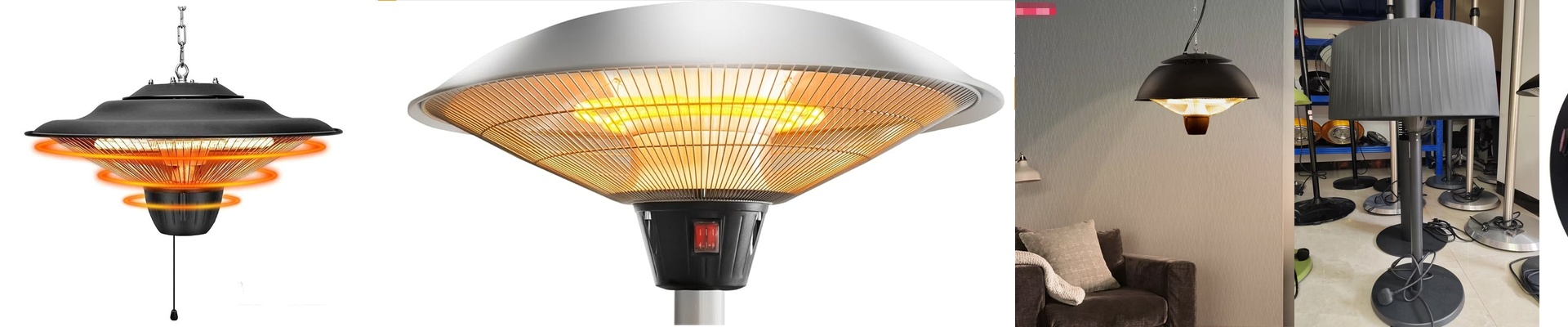
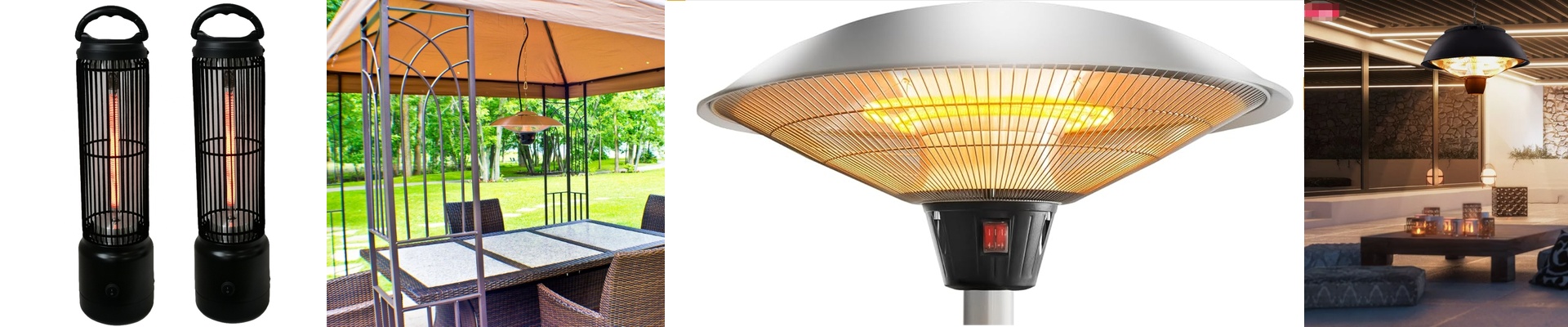
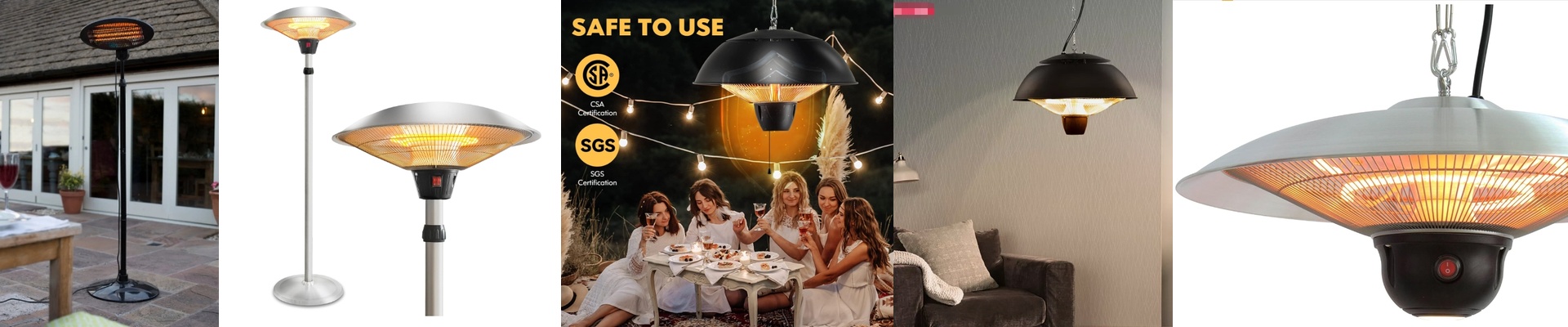
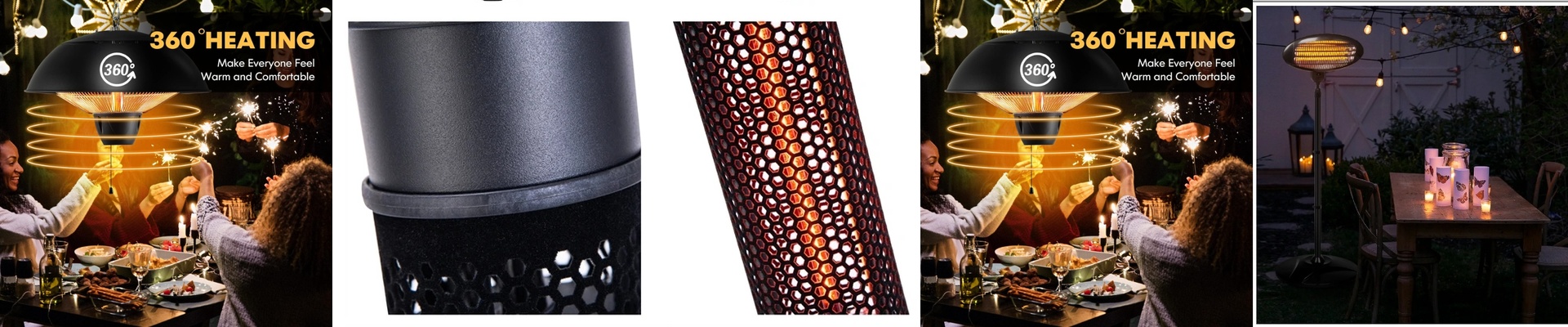
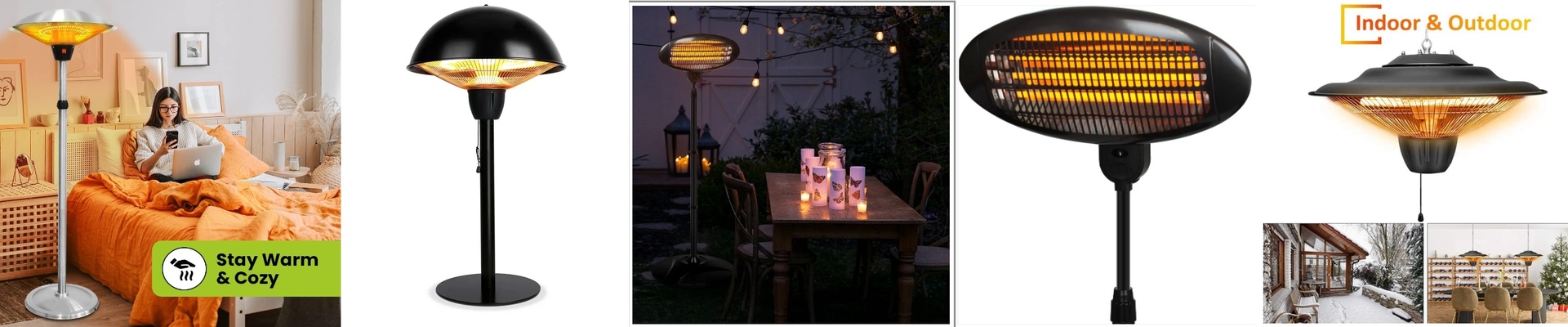
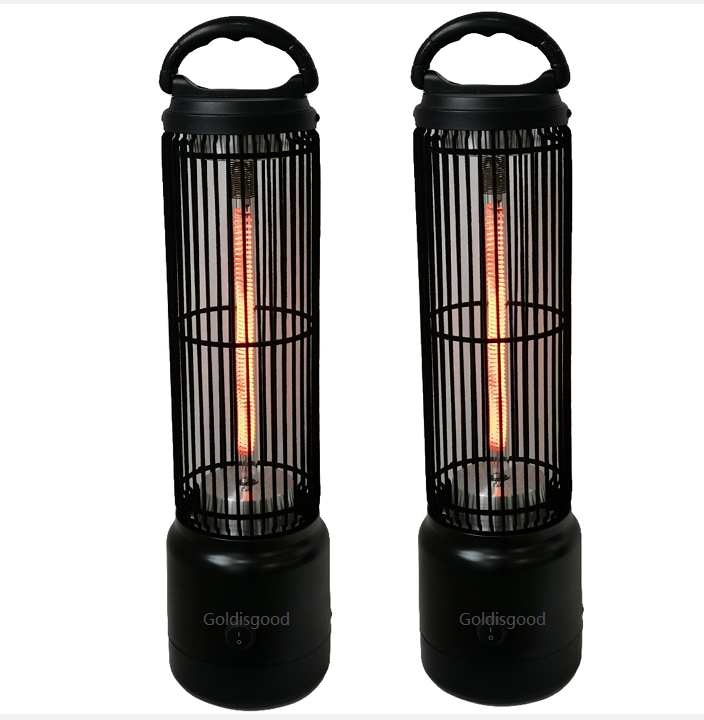
Condensation blooming on the heating element. A quick splash from a mop, a burst of drizzle by an open door. Those are the quiet killers in portable heaters, and they always hit when you need heat the most. We built our top-selling infrared portable heater to push back against that, so you get steady warmth without the anxiety of an early failure.
What’s actually going on under the hood
We run a quartz infrared tube in this unit. It delivers fast radiant warmth and holds a stable thermal profile—comfortable, not harsh. The core is shielded by a dual-layer anti-fog setup that keeps the inner surface clear, and the housing is IP-rated to shrug off light splashes and humidity. A sealed electrical chamber keeps moisture out, and the reflector stays dry so output doesn’t drop. The specs are simple and practical: 1200–1500 W, a standard 120 V plug, and a tip-over switch that cuts power instantly if the heater gets knocked over. The payoff is consistent heat, steady performance, and fewer internal stresses that chew up lifespan.
Why this approach makes sense in real homes
Moisture is just part of daily life—bathrooms, kitchens, entryways, and covered patios all create humid microclimates. Our protection keeps the element dry, so you don’t get that dulling film that steals output and pushes you into replacement too soon. Radiant heat arrives quickly, warming people and surfaces directly, so comfort hits within seconds. Fewer failures mean fewer replacements, and that adds up to lower cost over time and fewer interruptions when you’re just trying to relax.
The details that matter on the job
This heater is built for indoor use and sheltered outdoor spots. Keep it out of direct rain and heavy spray. Set it on a flat, stable surface, and give it a few inches of clearance on all sides for airflow. For best results, work in a room that’s reasonably sealed against drafts, and use the adjustable thermostat to match your comfort without overheating the space.