Introduction
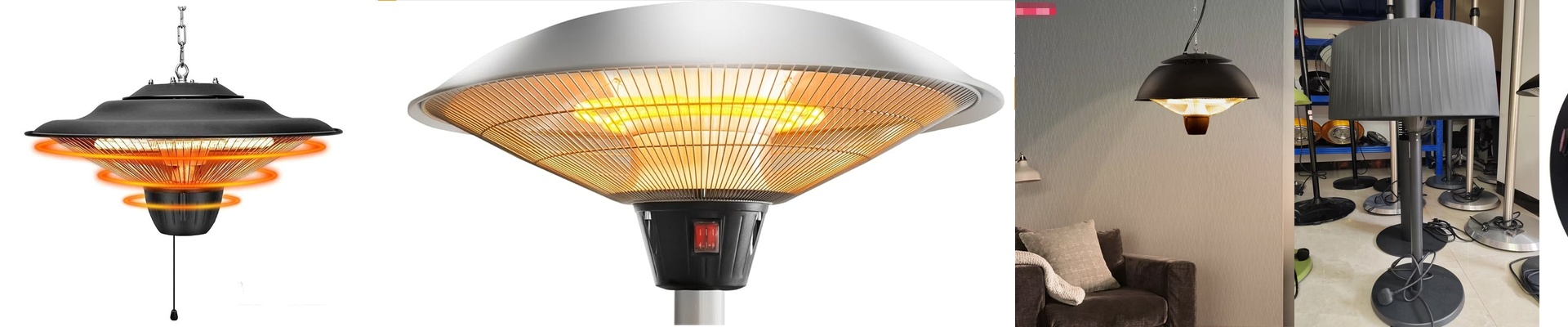
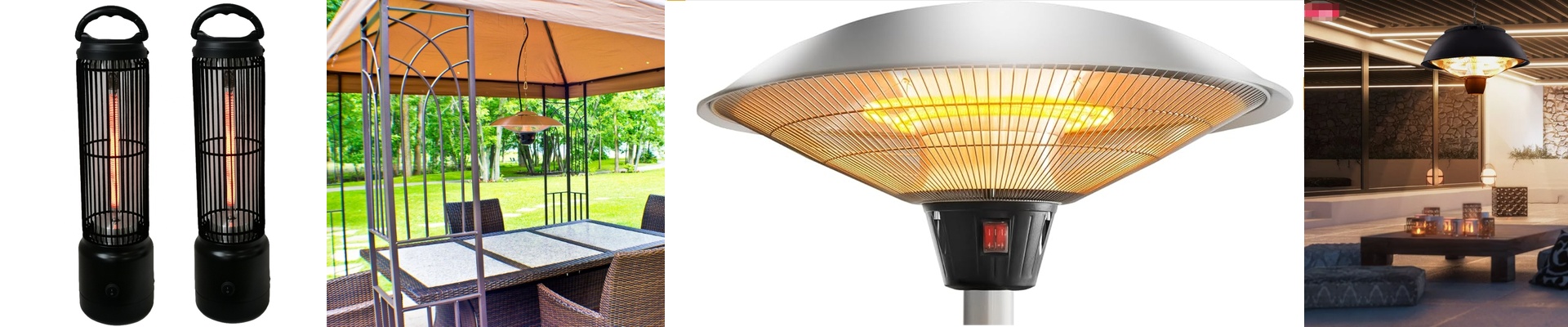
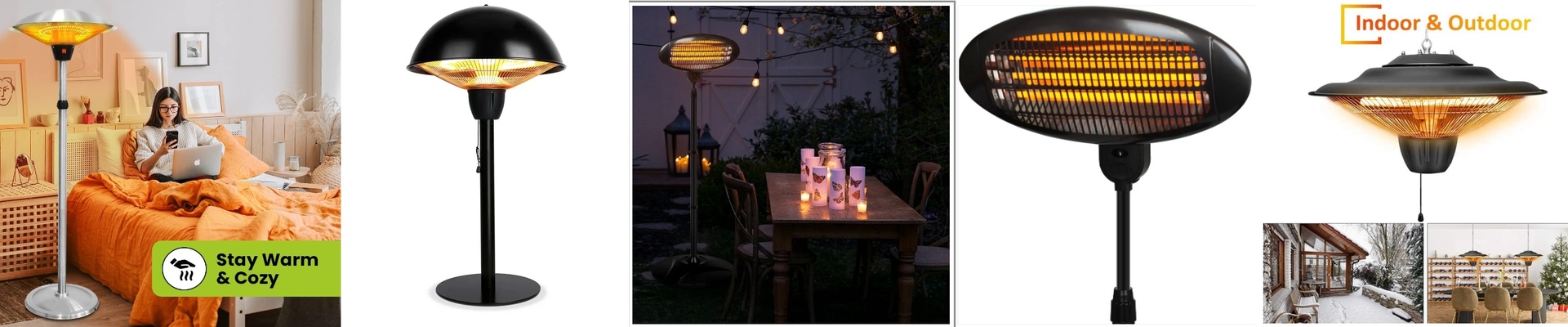
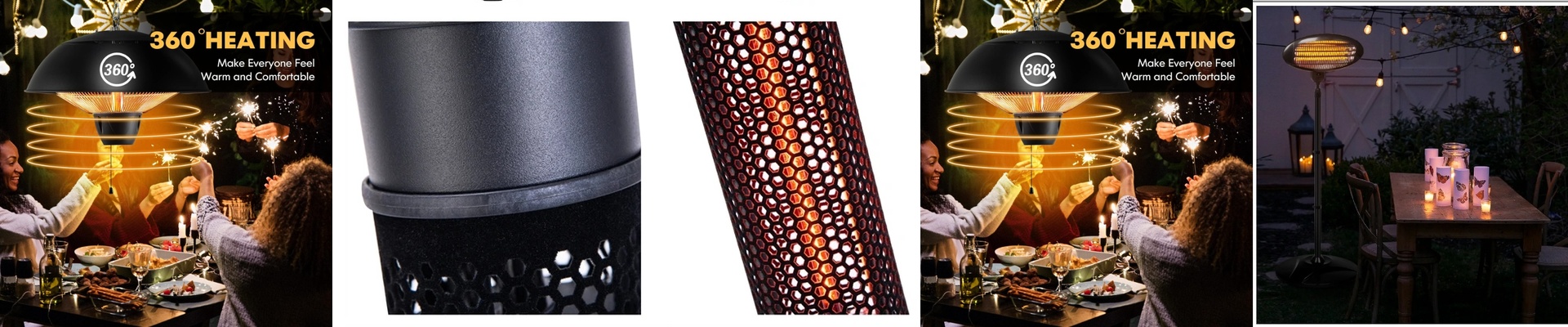
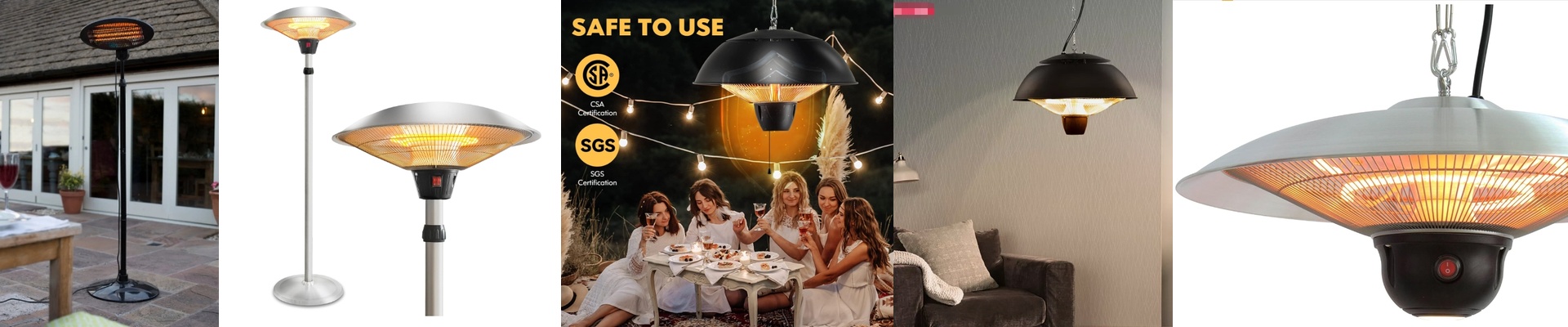
We built this wall-mount heater for one simple reason: to knock out winter cold in porches and bathrooms the second you flip the switch. It’s a CE-certified infrared heating lamp, designed to throw out heat fast in tight spots where regular air heaters just can’t keep up. Think of it less like a space heater, and more like a direct-heat tool. It warms you, and the surfaces around you—right away.
How It Really Works
It all comes down to wattage density and the right voltage match. We spec the lamp to pack a lot of heat into a small footprint, so you get a real temperature jump without needing a giant enclosure. And that CE certification? It means the electrical design meets the safety standards for European installations. It also pushed us to build in solid insulation, proper grounding, and overheat protection. That’s why this thing delivers on-demand heat. The filament and reflector are tuned to throw infrared energy forward immediately. No warm-up. No waiting. You wire it up, and the heat starts.
What’s Inside
Inside, the lamp uses a halogen cycle inside a quartz envelope. That halogen chemistry keeps the filament stable even at high temperatures. It helps maintain consistent output over time, and it’s tough on repeated on/off cycling. The quartz tube handles the shock of going from zero to full power instantly. The connector is R7s—an industrial lighting standard. It holds the electrical load securely and makes the lamp a simple drop-in replacement for existing R7s infrared units. The wall-mount hardware is straightforward, too. You can get a clean installation on a porch or in a bathroom without overcomplicating the mounting.
Where It Shines (And What To Watch For)
In bathrooms, the payoff is immediate. The lamp warms the person and the immediate surroundings, not the air. So you get less condensation, and you don’t have to wait around to feel comfortable. On porches, the beam pattern delivers localized warmth right where people stand. That’s more efficient than trying to heat a big open volume. Now, here’s the trade-off: high heat density means you need to manage ambient temperature and airflow. The fixture runs hot, so plan your clearances, and make sure the wiring and junction box are rated for the load. This isn’t a “set and forget” heater. You size the location, the load, and the ventilation to match the setup.