


When winter hits, you can feel it in a pet—stiff joints, slower circulation. Standard forced-air heaters dry out eyes and skin, and drafts make the warmth feel thin and patchy. In a space built for animals, comfort has to be steady, even, and easy on them.
What matters under the hood
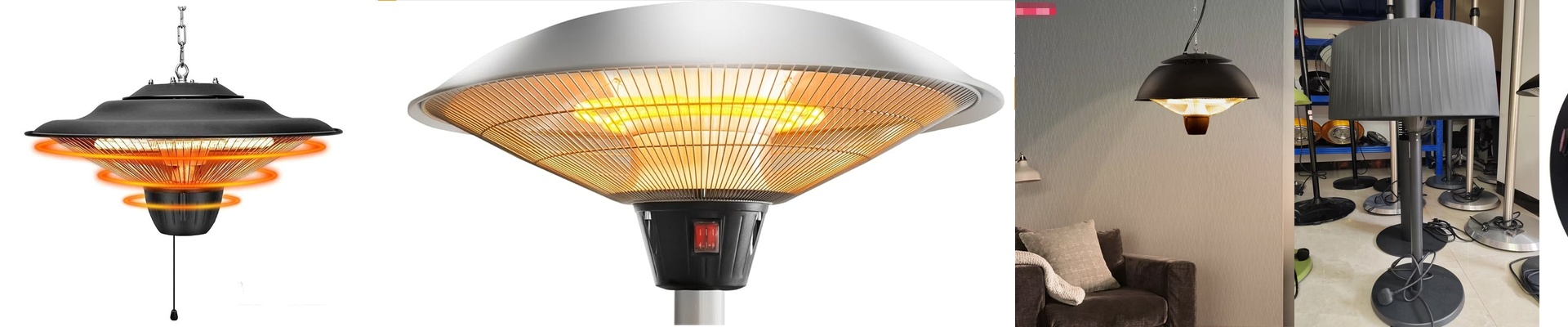
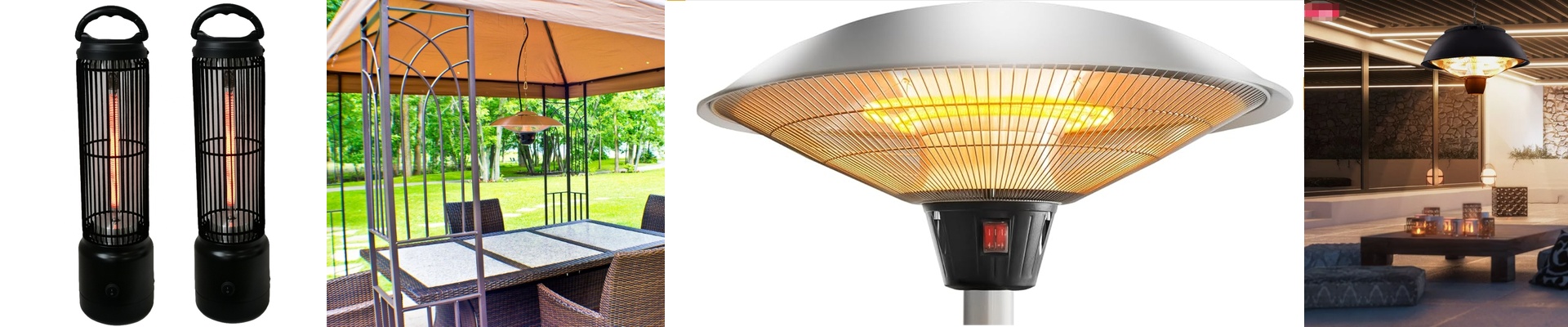
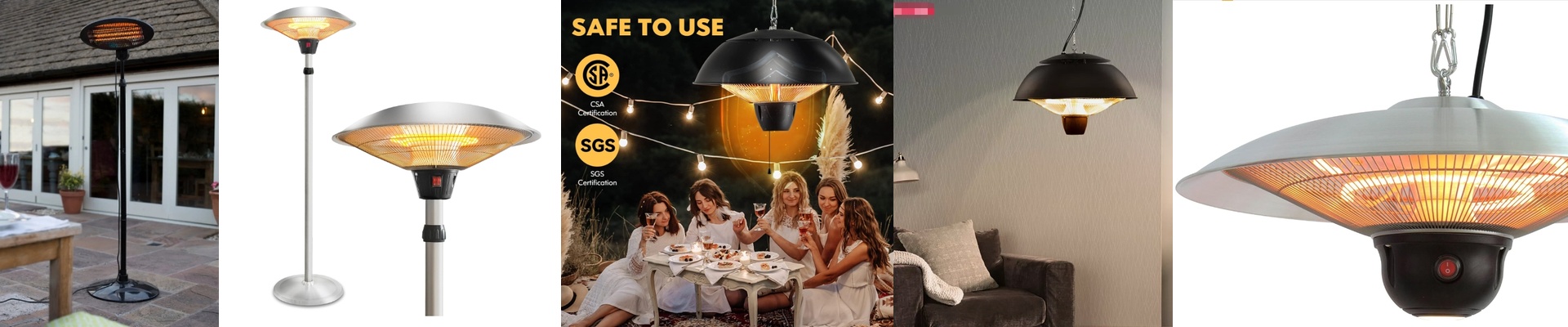
We built this wall-mounted electric heater around infrared warmth, using a carbon fiber element. It radiates heat that moves through the air without kicking up dust, then warms people, floors, and surfaces directly. You get even heat without a noisy fan. It plugs into 120V, so install stays simple, and the standard thermostat holds temperature instead of chasing it up and down. The whole unit runs quiet, so pets settle in rather than startle at every click and whir.
Why it fits a pet space
Infrared is naturally easier on circulation. It warms tissue gently, helping muscles and joints loosen up—handy for cats and dogs who move a little slower when it’s cold. The feel is like sunlight on the skin: warmth without glare, so animals can rest comfortably. Because it’s wall-mounted, you keep the floor clear for beds, bowls, and play. You get a cozy pet room without blasts of hot air, and you heat the spot they actually use instead of the whole house.
What to watch for
Mount it in a secure, dry spot with proper clearances, and make sure you have access to a 120V outlet. For the best comfort, aim the coverage across where pets settle, not directly above them. If you’re using it in a very damp outdoor area, check the IP rating and add weather protection. Infrared heats objects well, but wind and moisture will cut into performance. Set the thermostat to a comfortable range and let the space level out before you add bedding.