Making Your Outdoor Heaters Actually Smart
Ever notice how most patio heaters are just… clunky? You have to get up, walk across the cold deck, and flip a manual switch just to get some warmth. It kills the mood. If you want to control your infrared heaters from your phone or with your voice, you can’t just plug them into a cheap smart plug and call it a day. These things pull a lot of power. Here is how you actually make it work.
The Secret to the Switch
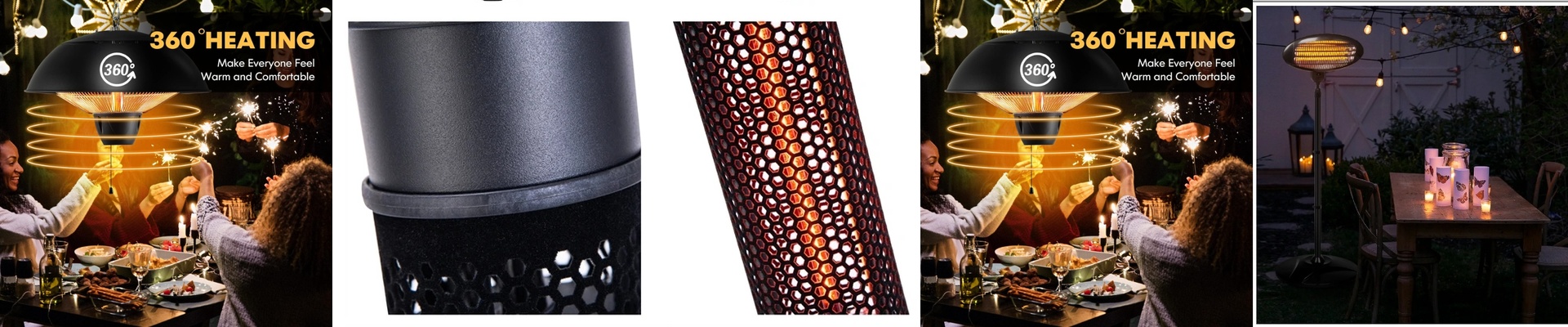
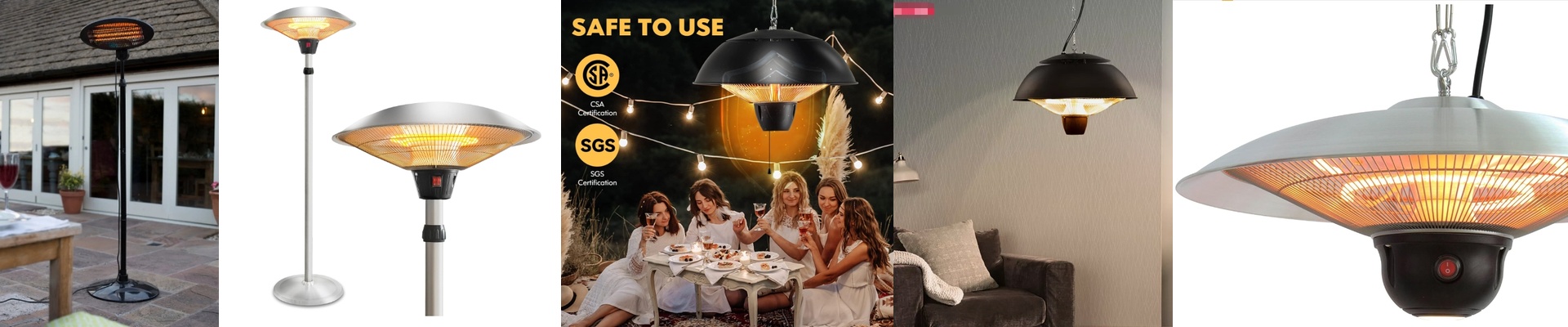
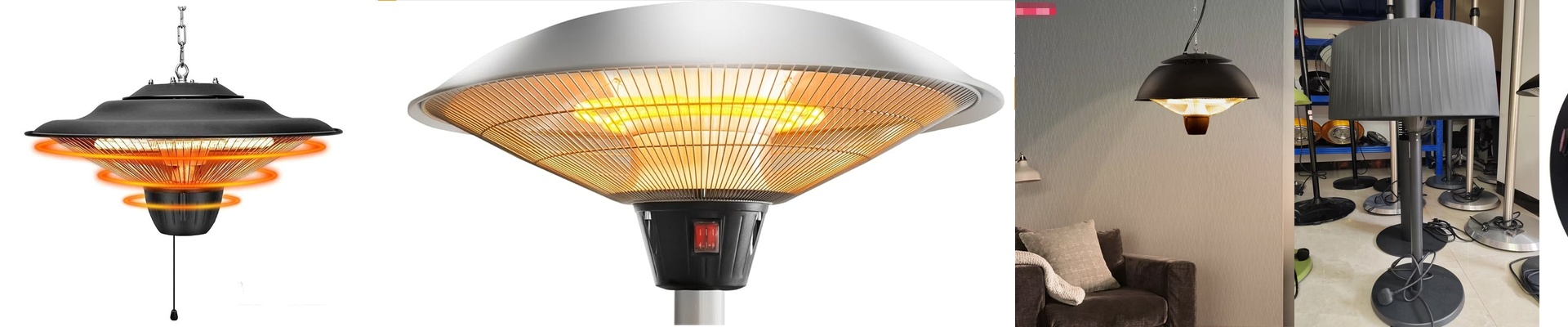
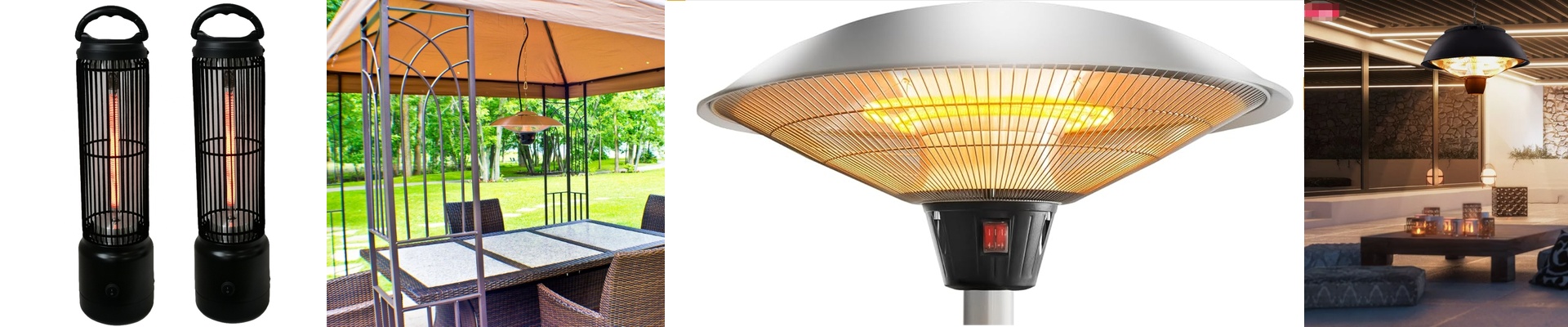
You can’t wire a massive 2000W lamp directly into a smart hub—you’ll fry the hub instantly. Instead, we use a heavy-duty relay. Think of the relay as the middleman. Your smart home app sends a tiny, low-voltage signal to the relay, which then snaps the main power line shut. Boom. Heat. And since we use short-wave infrared, you don’t have to sit around waiting for the air to warm up. It feels like stepping into a patch of sunlight. It’s almost instant.
Dealing with the Elements
The outdoors are brutal. Rain, humidity, and salt air love to eat electronics for breakfast. To stop that from happening, we wrap the junctions in IP65-rated boxes and use silicone gaskets. The heating elements stay tucked inside quartz glass so they don’t rust or wear down. One big tip:**Don’t skimp on the wires.**If you use cheap cabling too close to the heat source, it’ll melt. Not a good look.
A Few Things to Watch Out For
There’s a trade-off for all that instant heat. When these arrays kick on, they pull a huge spike of electricity. If you put too many of them on one circuit, you’re going to be spending a lot of time resetting your breaker box. We usually suggest giving large setups their own dedicated circuits. Also, “waterproof” doesn’t mean you can dunk them in a pool. You still need to mount them at the right height and make sure they drain properly. If water pools inside the chassis, the contacts will corrode, and your fancy smart system becomes a very expensive piece of scrap metal.