

Stop Paying to Heat Your Factory Floor
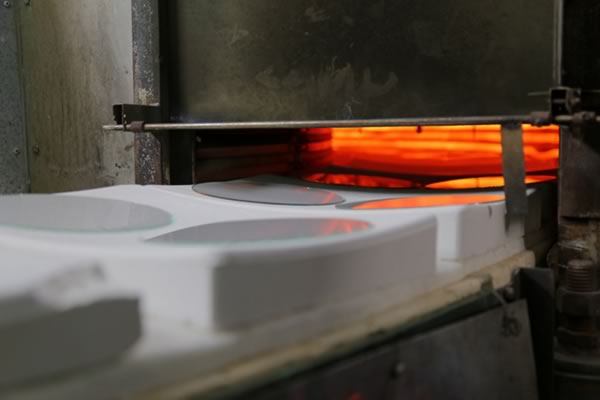
Let’s be honest: glass annealing usually eats power for breakfast. Most shops are still clinging to old convection ovens or heating elements that are basically space heaters for the warehouse. They bleed heat everywhere except into the glass. We do things differently. We use shortwave infrared (IR) lamps to hit the glass substrate directly. It’s a simple switch, but it kills the long warm-up times and puts a serious dent in your annual electric bill.
Why Shortwave IR Actually Works
Here’s the thing about longwave heaters—they’re slow. Shortwave IR, on the other hand, punches through the glass surface much faster. We set these lamps up to pack a ton of heat into a small space. Instead of wasting time heating up the air around the glass, the energy moves via radiation. It’s direct. You hit that softening point way quicker, which means your glass spends less time sitting in the heating zone. It’s fast. Really fast. And that changes your whole workflow.
The Trade-offs (The “Catch”)
To get the temperatures you need for bending, we use high-wattage quartz tubes. Now, if you want more heat density in a shorter tube, the lamp is going to run hot.Really hot. Because of that, you can’t skimp on your venting. If your housing isn’t breathing, you’ve got a problem. And a pro tip: keep your reflectors clean. Whether you’re using gold or aluminum, a little bit of dust or a slight misalignment means you’re throwing energy away. We suggest a strict cleaning schedule. It’s a small chore that saves a lot of money.
Getting It Up and Running
You don’t need to rebuild your entire line. These lamps are designed to drop right into your existing heating arrays. We’ve spent a lot of time on the filament stability, so you don’t have to worry about them burning out just because you’re cycling them rapidly. But, if you’re moving from gas to IR, heads up: you’ll need to tweak your timing belts and conveyor speeds. The heat hit is almost immediate, so your timing has to be spot on. At the end of the day, cutting your cost per unit is all about stopping the “idle” waste. When you put the heat exactly where the glass bends, you stop paying to keep your employees warm.