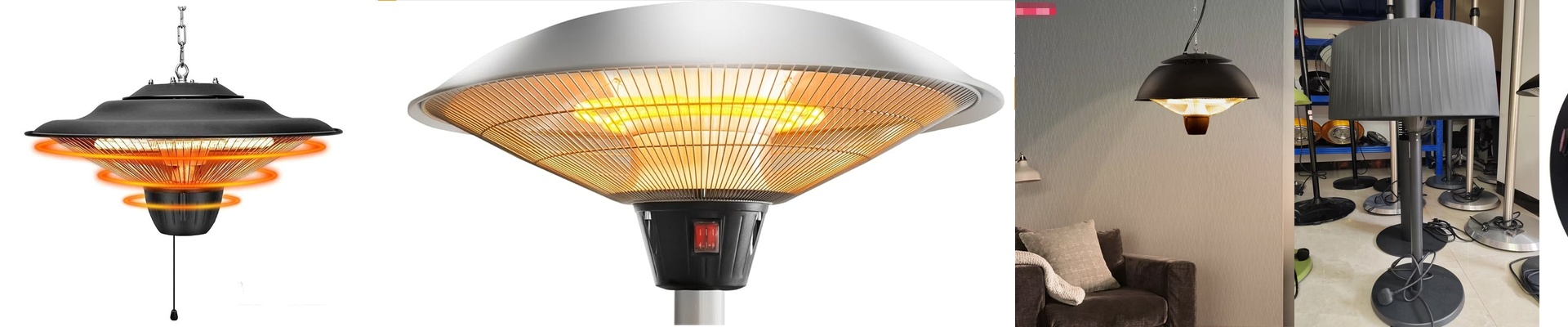
Stop Fighting Your Power Grid: Getting Your Glass Preheating Right
Anyone who works with glass knows the dread of a stress fracture. You spend hours on a piece, one wrong move with the thermal ramping, and crack. It’s heartbreaking. But there’s another headache that usually hits when you move your gear to a new studio or upgrade your electrical panel: the voltage mismatch. Most people try to fix this with bulky step-down transformers, but those things are clunky and love to fail right when you’re in the middle of a project. We figured out a better way. Instead of forcing the power to fit the lamp, we build the lamps to fit your grid—whether you’re running 110V, 480V, or 575V.
Why the numbers actually matter
Here is the thing about voltage: it isn’t just a setting on a dial. It actually changes how we physically build the filament. If you’re using a 110V lamp, it has to pull a lot more current to get the job done. That can put a real strain on your wiring and make your connectors run hot. High-voltage lamps (like 480V or 575V) let us hit those high wattage targets while keeping the current low. It’s much easier on your electrical system. Just a heads-up: please don’t try to wing it. If you plug a 110V lamp into a 480V line, it’ll pop instantly. That’s why we tweak the filament thickness and the coil density to match exactly what’s coming out of your wall.
Same heat, different power
We don’t believe in “standard” sizes because every studio is different. We customize the quartz envelope and the chemistry of the filament so the heat density stays the same. It doesn’t matter if you’re in a tiny home studio or a massive industrial facility; the infrared heat hitting your glass feels exactly the same. You get the consistency you need without having to worry about the math.
The trade-offs
Going with a high-voltage setup (480V/575V) is great for long cable runs because you don’t lose as much power along the way. It’s a cleaner, more efficient setup. But it does come with a few rules. You’ll need specialized breakers and a control panel that can handle the load without arcing. Safety is a huge deal here. The good news? Our replacements are designed to drop right into your existing footprints. You can switch your voltage spec without having to tear down and rebuild your entire heating rack. It just works.