Why We Use Explosion-Proof Quartz for Wet Areas
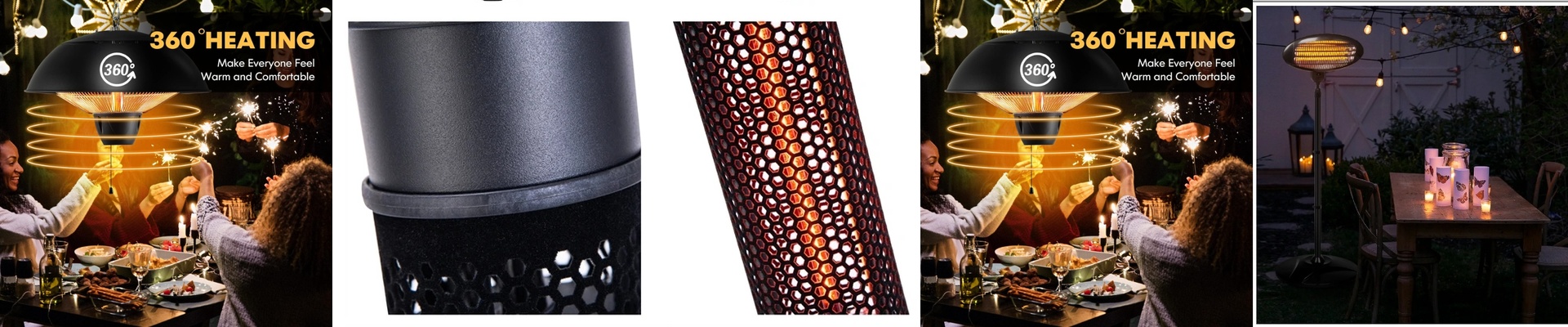
Think about putting a high-wattage infrared heater in a place like a shower or an outdoor pergola. You’ve got intense heat meeting steam, splashes, and sudden temperature swings. It’s a recipe for disaster if you’re using the wrong gear. Standard quartz tubes just can’t hack it here. That’s why we stick with explosion-proof quartz. It’s basically our insurance policy against a tube shattering the moment a drop of cold water hits a red-hot element. The “Shock” Factor Quartz is tough, but it has its limits. Imagine a tube humming along at 800°C. Then, a splash of cold water hits it. That sudden temperature drop creates a massive amount of stress on the glass. With standard tubes, that’s usually when they pop. We use explosion-proof glass because it doesn’t panic. It handles those rapid crashes in temperature without cracking. When you’re dealing with water and electricity in the same zone, this is the only way to keep glass shards and electrical shorts out of the equation. It’s More Than Just the Glass Of course, a tough tube is only half the battle. You also need a housing that actually keeps the water out. We build these into casings with high IP ratings so the wiring stays bone-dry. If moisture sneaks in, it doesn’t take long for the contacts to corrode. Once that happens, you’re looking at arc faults, which is the last thing you want in a bathroom. The Balancing Act Now, here’s the honest truth: these tubes aren’t magic. If you crank up the wattage to get more heat, you’re putting more strain on the filament. If you run them at full blast 24/7 in a humid environment, they’ll wear out faster. You’ll notice the light output dipping over time. The trick is to balance your wattage with the actual airflow of the room. Do it right, and your heaters will last. Push them too hard, and you’re just burning through elements for no reason.