Keeping Bathroom Infrared Heaters from Becoming a Hazard
Putting an infrared heater in a bathroom isn’t as simple as picking a waterproof box and calling it a day. You’re mixing high voltage with steam and splashes. That’s a recipe for trouble if you aren’t careful. For us, the real battle is won or lost at the spot where the lamp meets the power supply.
Dealing with Steam and Splashes
You’ll see “IP65” on the spec sheet. In plain English, that means it can handle dust and water jets. But here’s the thing: bathroom steam is sneaky. It finds its way into housings that look perfectly fine. To stop that, we don’t just rely on a shell. We use sealed gaskets and a bit of silicone potting right where the wires enter. It blocks the moisture from creeping toward the terminals. Because if water hits those live contacts? You’ve got a short circuit. Simple as that.
Making Sure the Electricity Stays Put
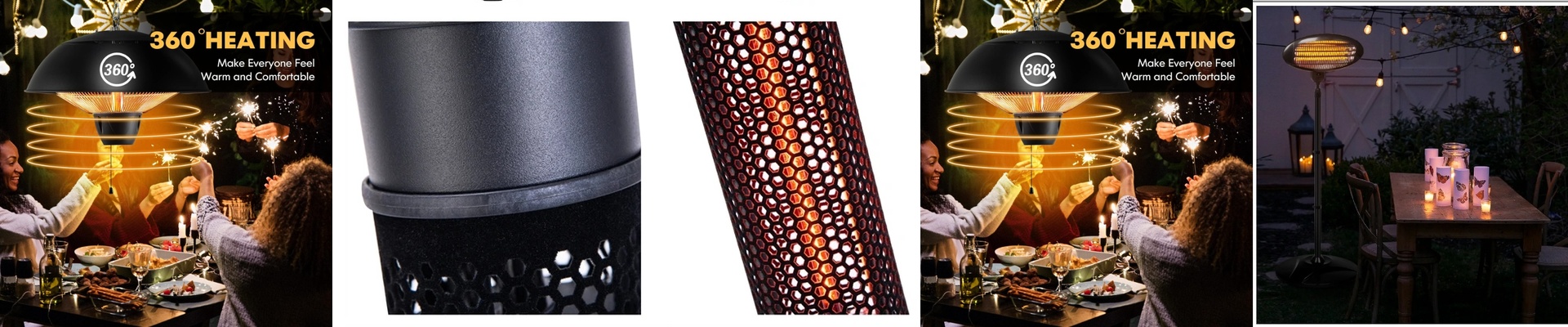
We want the heat to stay in the element, not leak into the frame. That’s why the infrared tube lives inside a high-temperature quartz sleeve. We also pop in ceramic insulators at the end caps. It keeps the current from jumping over to the metal casing. And please,check your grounding. If something goes wrong inside the unit, a solid ground makes sure your breaker trips instantly. Without it, the outer casing could become live, and that’s a nightmare scenario. We also use double-insulated cabling inside just to have a backup plan for the backup plan.
The Real-World Stuff
Look, no seal lasts forever. These heaters go through “thermal cycling”—they get scorching hot, then they cool down, over and over. That constant expanding and contracting puts a lot of stress on the seals. They’ll eventually wear out. I’d suggest checking those gaskets every year just to make sure they haven’t cracked. One last thing. An IP65 rating is great, but it isn’t a magic shield. If you wire these into a circuit without a GFCI or RCD (a leak protector), you’re taking a huge risk. Pair your heater with a high-sensitivity protector. It’s the only way to keep the user safe and stop the unit from frying during a humidity spike.