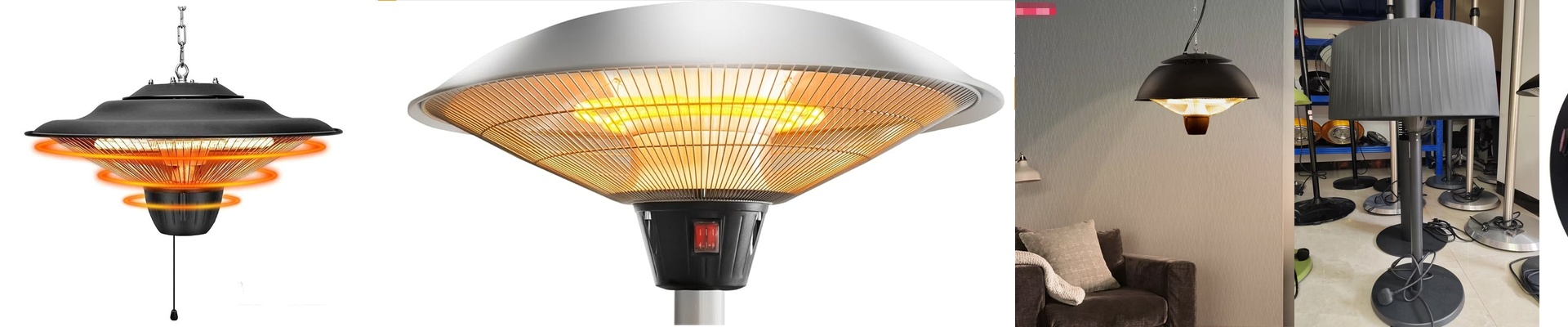
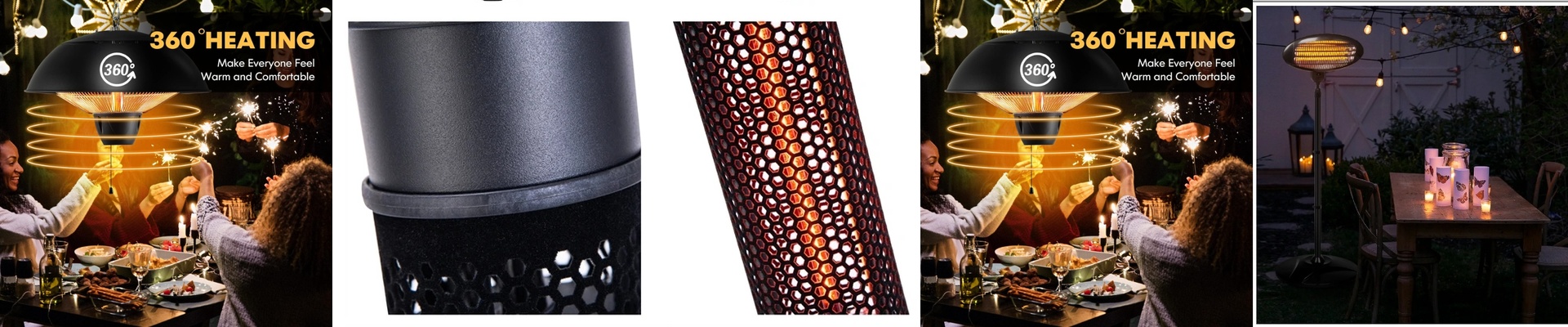
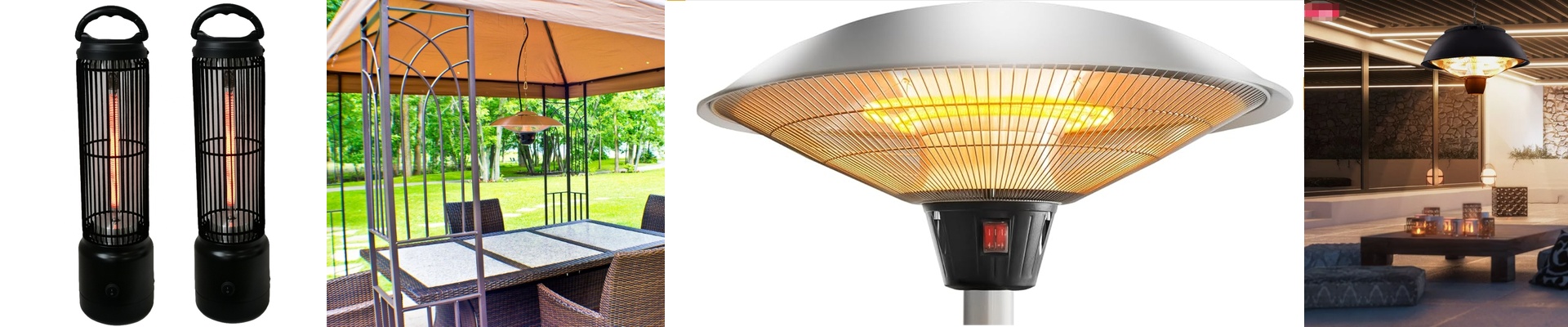
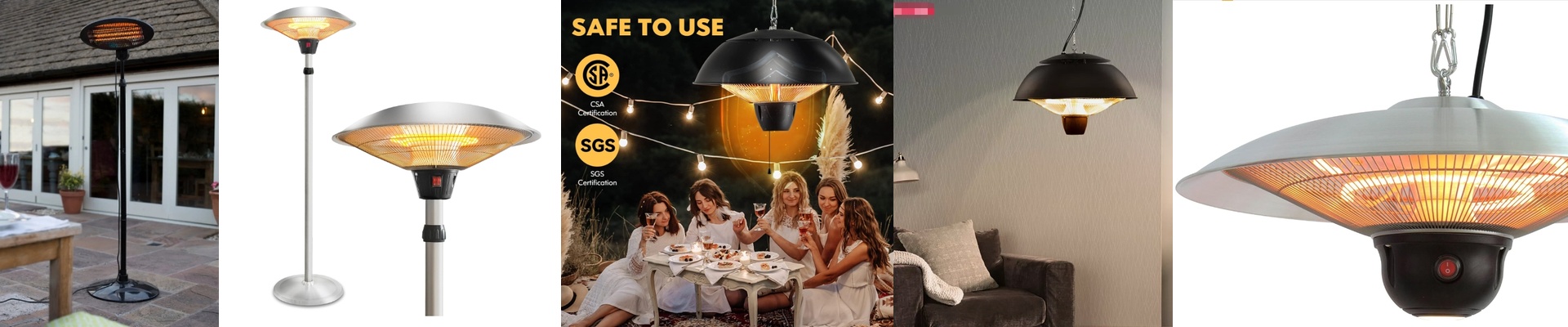
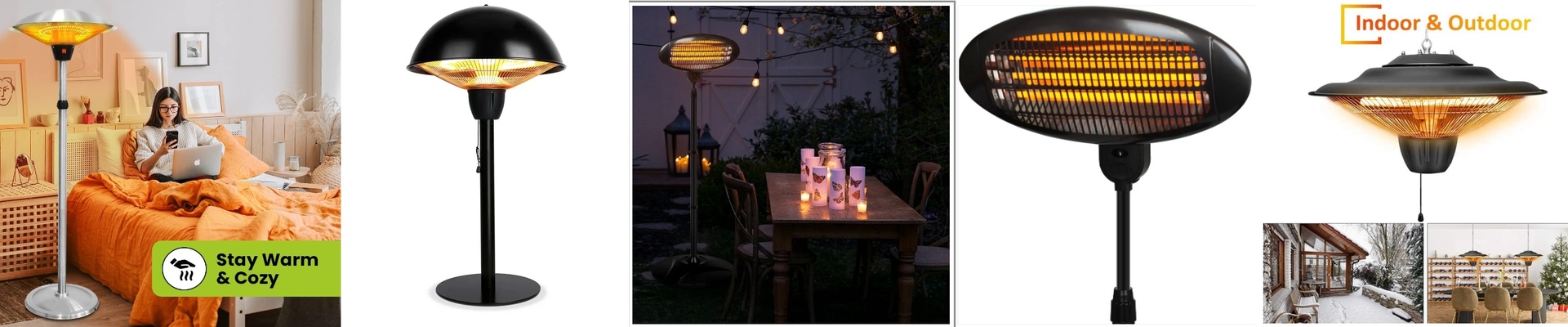
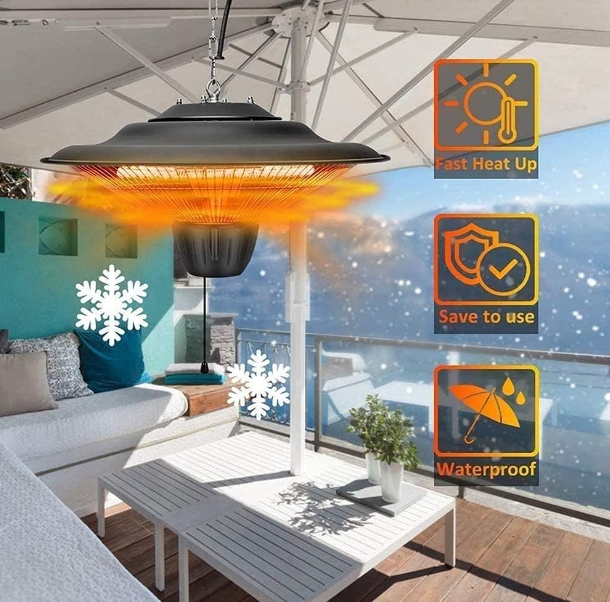
Why We Obsess Over IP55 for Our Outdoor Heaters
Let’s be honest: the outdoors is a nightmare for electronics. You’ve got humidity, random rain gusts, and that annoying morning dew. If moisture sneaks into a heater’s housing, it’s usually game over. You get a short circuit or rusted contacts, and suddenly your cozy patio night is ruined. That’s why we build our heaters to an IP55 standard. It sounds like a boring technical code, but it’s basically our way of making sure the weather doesn’t kill your investment.
What “IP55” Actually Means for You
If you look at the numbers, the first “5” is about dust. It keeps the grit and grime out of the electronics so things don’t get clogged or glitchy. The second “5” is the important one—it means the unit can handle water jets hitting it from any angle. We make this happen with silicone gaskets at every single joint and heavy-duty compression glands where the cables enter. But here’s the thing: the real killer isn’t usually a rainstorm. It’scondensation. When a heater cools down on a damp night, moisture settles right on the circuit boards. To stop that, we use hydrophobic coatings on the critical parts. It’s like a raincoat for the electronics, stopping those tiny “creepage” currents that usually fry a board way before its time.
Why This Matters for the Life of Your Heater
I’ve seen plenty of cheap heaters burn out because a few splashes of water hit a red-hot quartz tube. The thermal shock is instant. The glass cracks, and the heater is trash. Our design is splash-proof, meaning it shunts water away from the heating element. The tube stays dry, and it stays intact. Plus, keeping the internal wiring dry is a huge win for longevity. When terminals corrode, they create resistance. That resistance turns into heat—not the good kind of heat you want for your guests, but the bad kind that melts connections. By keeping the insides bone-dry, we keep the voltage steady and the heater humming.
A Few Honest Trade-offs
Now, this kind of protection isn’t free. Because of the gaskets and the sealed shells, these units are a bit bulkier and heavier than something you’d put in a living room. Just make sure your mounting brackets are sturdy enough to handle the extra weight. Also, since the housing is sealed tight, the internal transformer can’t “breathe” as easily. To keep things from overheating during a freezing January night, we added oversized heat sinks. It’s a bit more hardware, but it means the guts of the machine won’t cook themselves while they’re keeping you warm.