

Stop Fighting Your Glass Tubes: A Better Way to Heat
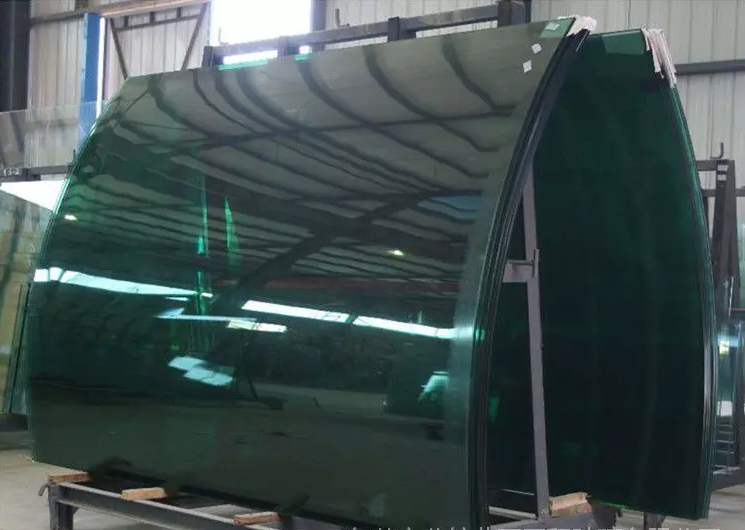
If you’ve ever run a continuous glass production line, you know the headache. You need the tube to hit that perfect softening point right now, and then you need it to cool down just as fast. If the timing is off, you get internal stress. Then you get cracks. Then you get a pile of scrap. That’s why we shifted to shortwave infrared (IR) lamps for inline annealing. It just makes more sense. The problem with old-school heaters Standard resistive heaters are sluggish. They have this annoying thermal lag—they take forever to warm up and even longer to cool down. It’s like trying to steer a cruise ship; you can’t just make a quick turn. Shortwave IR is different. It’s almost instant. The second you flip the switch, the heat hits the glass. No waiting around. This lets you keep a really tight heat zone, which means you can crank up the line speed without worrying that your annealing quality is going to tank. Getting the heat where it actually matters To get glass to actually deform, you need a lot of power packed into a tiny space. We set these lamps up to blast concentrated energy exactly where the cut happens. The glass hits working temperature in seconds. It’s satisfying to watch. But here’s the catch: you can’t just throw wattage at the problem. If your ventilation is garbage, you’ll burn out your filaments. You’ve got to make sure your cooling system can handle the ambient heat building up around the housing, or you’ll be replacing lamps way too often. Cleaning up the workflow The best part? You can finally ditch those bulky batch annealing ovens. Instead of stopping everything to treat a batch, you handle the glass while it’s moving. No more bottlenecks. Since the lamps respond instantly to PLC triggers, you can tweak the heat profile on the fly. If you switch to a thicker wall or a different material, you just adjust the settings and keep going. It’s a simple, lean way to get precise heat without turning your floor into a furnace room.