
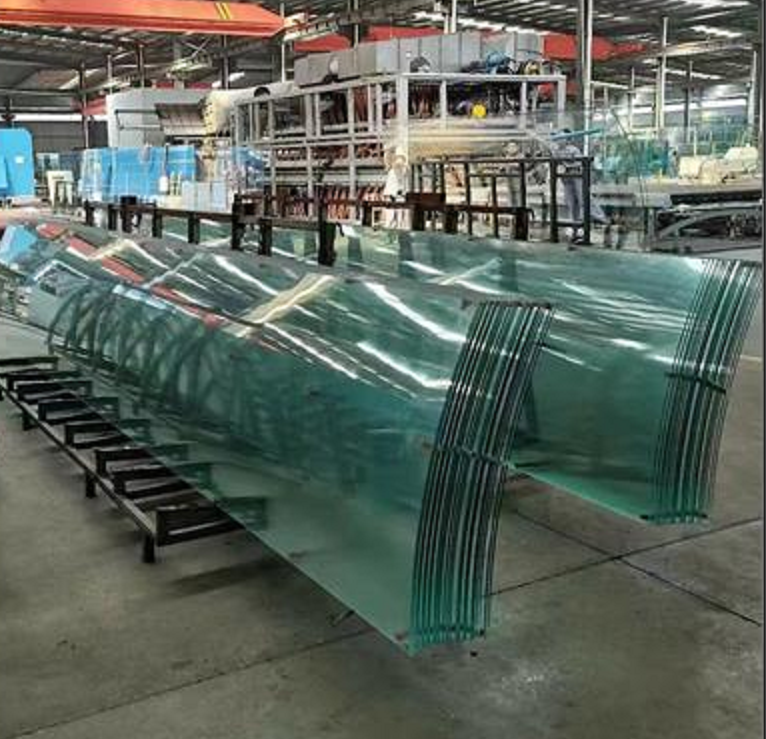
Why Your Glass is Cracking (And Why Your Lamps are Likely to Blame)
Ever pull a batch of glass off the line only to find it warped? Or worse, have it spontaneously crack hours later for no apparent reason? It’s frustrating. Usually, it comes down to “cold spots.” When you’re running a lehr, you’re relying on a row of infrared lamps to keep things steady. But here’s the catch: no two lamps are exactly the same. If one lamp is pushing out 1000W and the one right next to it is hitting 1050W, you’ve got a gap. It doesn’t sound like much—just 5%—but as that glass moves down the conveyor, those little differences add up. You end up with thermal gradients. In plain English? Some parts of the glass are stressed while others aren’t. That’s a recipe for disaster. The fix is actually pretty simple: tighter tolerances. We use lamps that stay within a much narrower wattage window. It means the glass absorbs heat at the same rate whether it’s in the first zone or the last. No surprises. No weird stress points. To get the glass to the right “soak” temperature, we lean on short-wave or medium-wave quartz elements. These are great because they punch through the bulk of the glass quickly. But you have to be careful. You’re playing a balancing act between your wattage and your belt speed. If you panic during a cold start and crank the wattage too high, you’ll end up scorching the edges of your glass. Now, there’s a trade-off. These high-consistency tubes are picky. They need a steady diet of clean power. If your voltage is jumping all over the place, it doesn’t matter how expensive your lamps are—you’ve lost that consistency. You need a rock-solid electrical setup to make them actually work. And one last thing. These lamps solve the stability problem, but they make you do a bit more housework. You’ve got to keep the reflectors spotless. A layer of dust or grime will kill your heat uniformity way faster than a cheap lamp ever would. Keep them clean, keep the power steady, and your glass stays whole.