
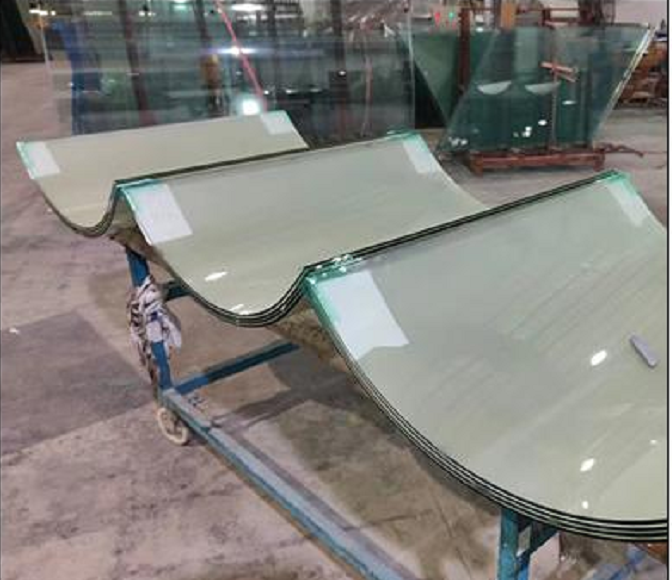
Getting the Heat Right for Glass Molding
Anyone can sell you a lamp. But getting that heat to hit the glass at the exact temperature and the right angle? That’s where things usually fall apart. We don’t just ship you a tube and wish you luck. We dig into the “why.” Why are you getting stress fractures? Why is the softening uneven? We find the glitch in your setup so you can stop wasting material.
The Secret to Fast Heat
Glass molding needs energy, and it needs it now. That’s why we lean on shortwave halogen technology. It doesn’t just sit on the surface; it penetrates the glass fast. If we push 2500W through a high-voltage circuit, we’re packing a massive amount of heat density into a tiny footprint. It’s fast. Really fast. And that means you hit molding temps in seconds. But there’s a catch. All that power puts a heavy load on your system. If your transformers aren’t built for that peak current, they’ll burn out. It’s a simple mistake, but a costly one.
The Nitty-Gritty: Materials and Plugs
We use high-purity quartz envelopes because the internal temperatures of the filament are brutal. Depending on the shape of your mold, we can use coated tubes. Some reflect the heat back toward the glass, others narrow the beam. It’s all about getting the energy where it actually belongs. As for the connections, we stick with the classics like R7s or SK15. Why? Because they stay put. On a vibrating production line, a loose connector is a nightmare. It leads to arcing, localized overheating, and eventually, a dead lamp.
Forget the Data Sheet
A PDF won’t tell you if your lamp is an inch too close—which scorches the surface—or an inch too far, leaving the core cold. That’s why we prefer to just come on-site and look at it. We watch your cycle times. We check your thermal gradients. We find where you’re bleeding energy and where the glass is just not getting hot enough. If your molded parts have inconsistent wall thickness, don’t blame the lamp. It’s almost always a distribution problem. We’ll help you find the sweet spot.