
Stop the Bathroom Mold Fight with a Little Bit of Science
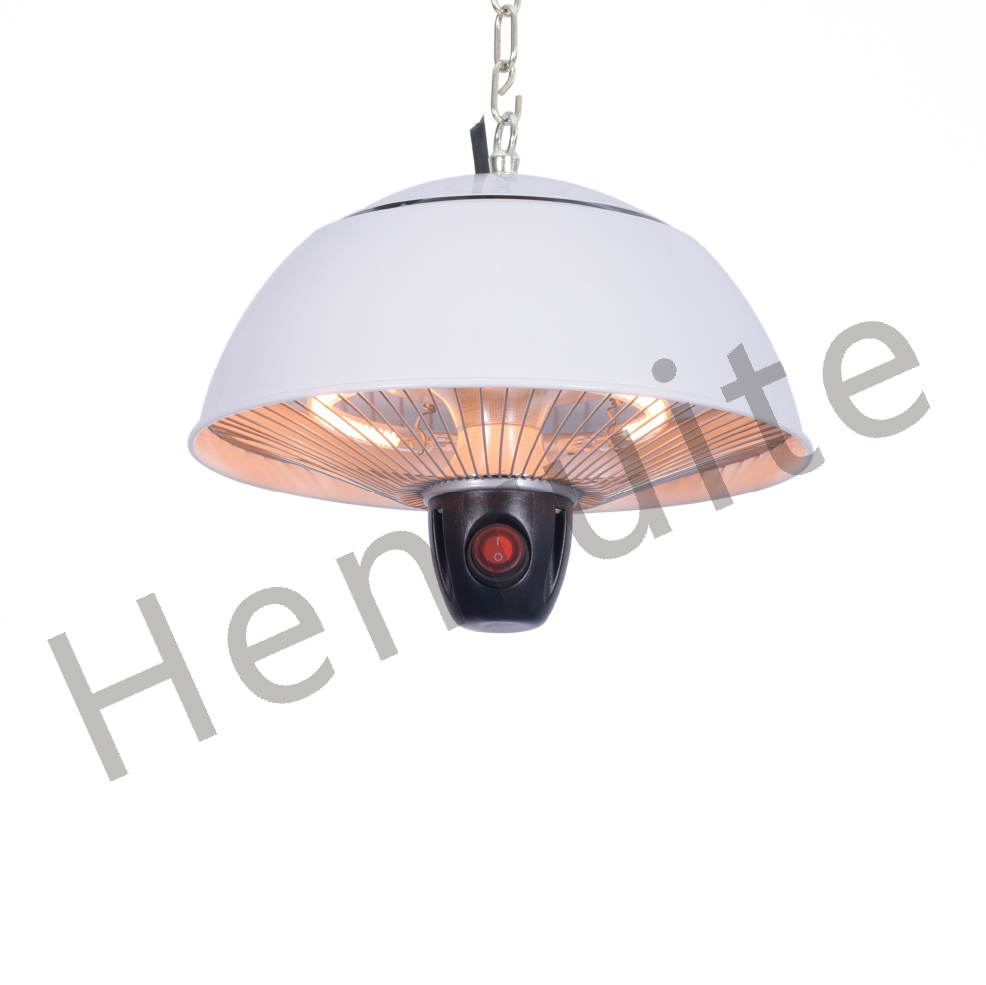
Most of us look at those heater lamps in the ceiling and just think, “Nice, I won’t freeze when I step out of the shower.” But there’s actually something much cooler happening under the hood. We’re not just warming up the air; we’re basically using light to kill the conditions that mold loves.
How it actually works
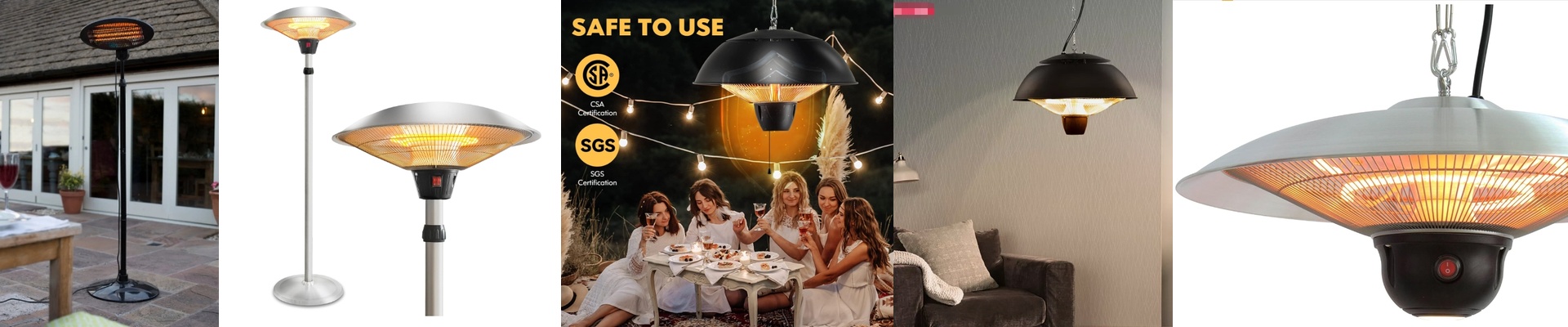
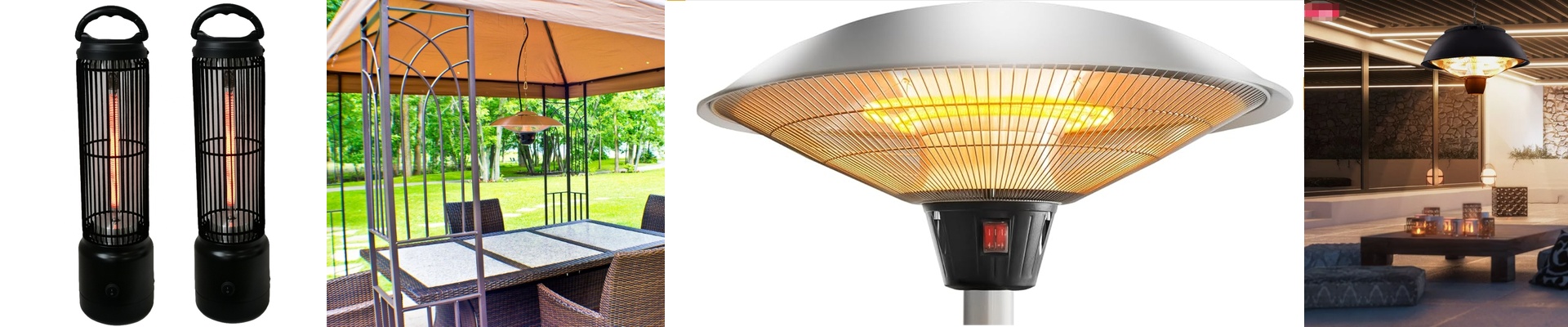
Mold is picky. It loves stagnant air and cold, damp surfaces. If your tiles stay chilly and wet, you’ve basically built a luxury hotel for spores. That’s where short-wave infrared comes in. Instead of trying to heat up all the air in the room—which takes forever—these quartz lamps beam energy directly onto your tiles and grout. It hits the surface and cranks up the temperature instantly. When the walls are warm, water can’t settle or bead up. It just vanishes. No standing water, no mold food. It’s that simple.
The gear inside
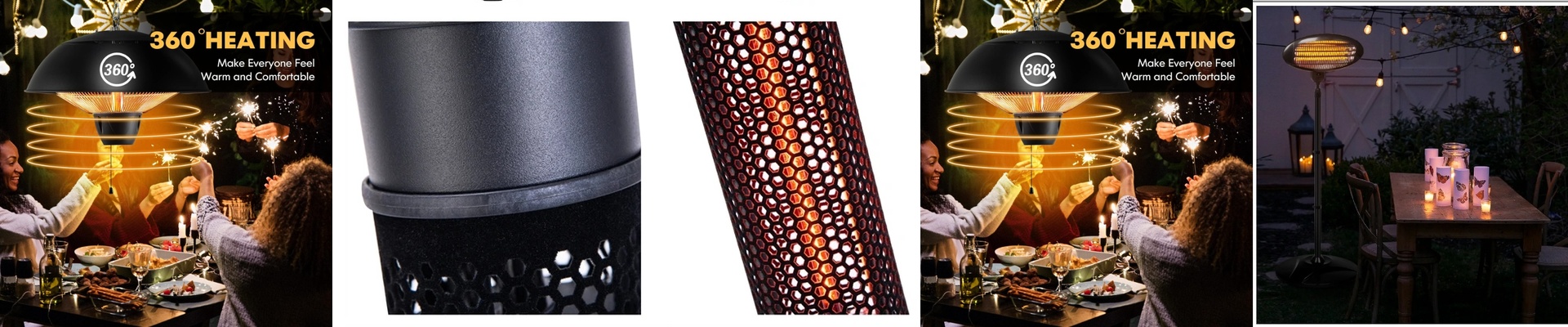
To make this happen, we use halogen-filled quartz tubes. We use quartz because it lets that intense heat blast through without the bulb itself melting down. We also wrap everything in high-temp ceramics so the whole fixture doesn’t turn into a puddle of plastic when it’s running. Now, there’s a catch. To get that “flash-dry” effect where your shower is bone-dry in minutes, you need a lot of power. But high power means high heat. If you don’t get the ventilation right or use cheap housing, you might end up scorching your ceiling paint or tripping the safety switch every ten minutes. It’s all about balance.
Getting it right in the room
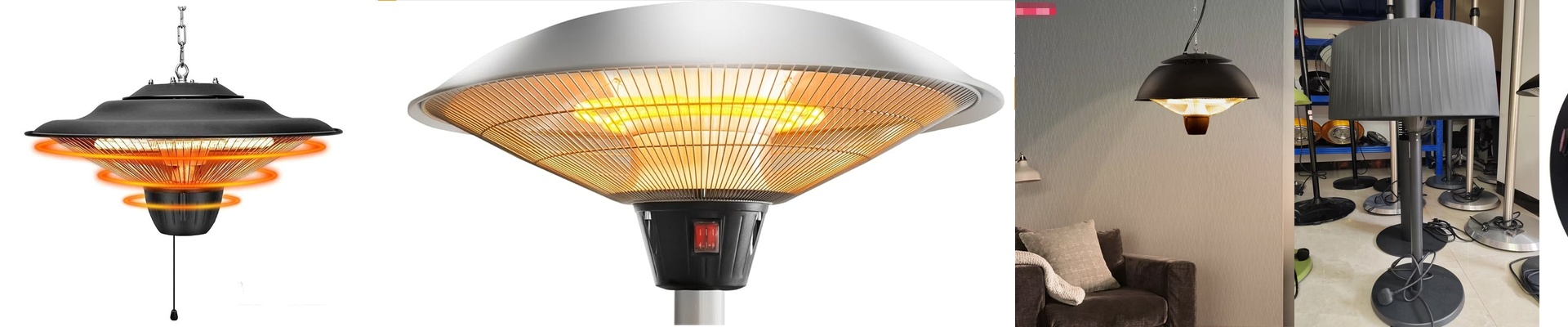
If you’re installing these, don’t just slap one in the middle of the room and call it a day. You’ll end up with “cold spots” where mold can still hide. The trick is to overlap the heat patterns. You want the radiation to blanket the entire wet zone. Do that, and you stop treating your bathroom like a damp box and start treating it like a self-drying oven. Your grout will thank you.