

Designing for Year Five: Why Modular Infrared Heaters Actually Matter
Most outdoor heaters look sharp the day they arrive. But the real test? That happens in year five. Think about it. After thousands of cycles in the rain, wind, and cold, a heating element is eventually going to give out. When that happens, the last thing you want is to throw away a perfectly good chassis just because one part died.
The “Plug-and-Play” Approach
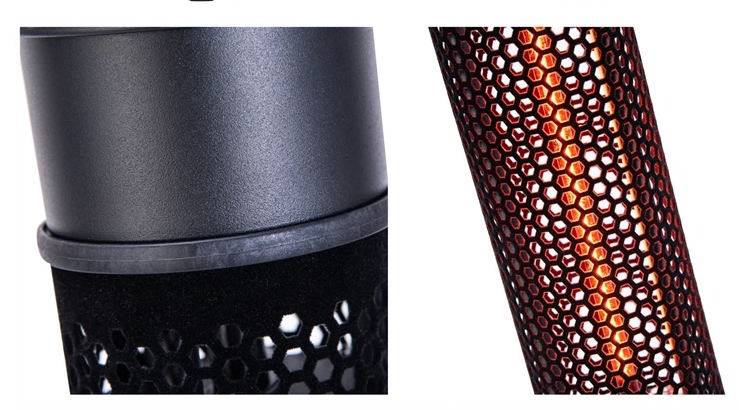
We build our infrared modules to IP65 standards. In plain English: the guts are sealed tight against dust and splashing water. But here’s the trick. Usually, “sealed” means “impossible to fix.” Not here. We use modular housing with plug-and-play connectors instead of hard-wiring everything into the main power rail. If a tube burns out, you don’t have to spend your afternoon rewiring the whole unit. You just pop the grill, unplug the dead element, and slide in a fresh one. It turns a miserable four-hour teardown into a ten-minute swap.It’s that simple.
Dealing with the Heat
Now, sealing a heater this tightly creates a bit of a headache: heat dissipation. Since the electronics are locked away to keep the moisture out, things get hot inside. To stop the chassis from warping or buckling under all that thermal expansion, we use high-temp gaskets and isolated mounting brackets. It keeps the unit stable, even when it’s working overtime in the dead of winter.
The Reality of Field Work
If you’ve ever worked outdoors, you know about oxidation. After five years of salt and humidity, screws just… seize. They stop moving. That’s why we use stainless steel fasteners and oversized access panels. We wanted to make sure a technician could actually fit a wrench inside the unit without fighting for every millimeter of space. Plus, since the design is modular, you can keep spare tubes right there on-site. If a heater fails on a freezing Saturday night during your busiest weekend, you can get it back online immediately. Just double-check that your replacement tubes match the original wattage so you don’t trip the circuit breakers.