Introduction
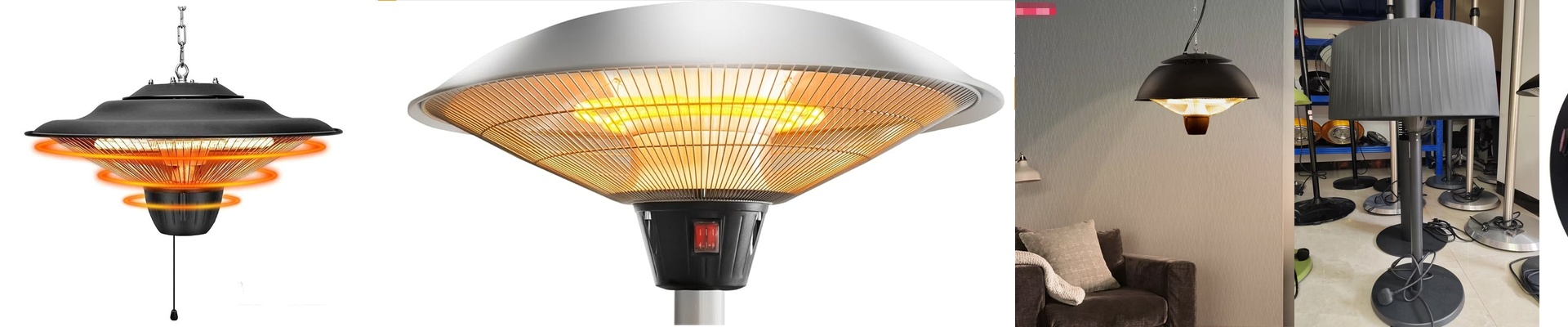
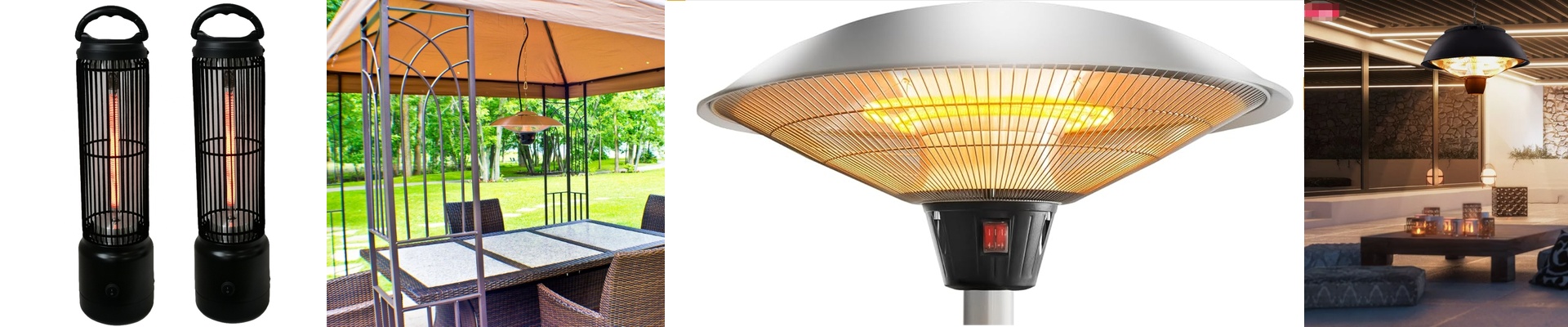
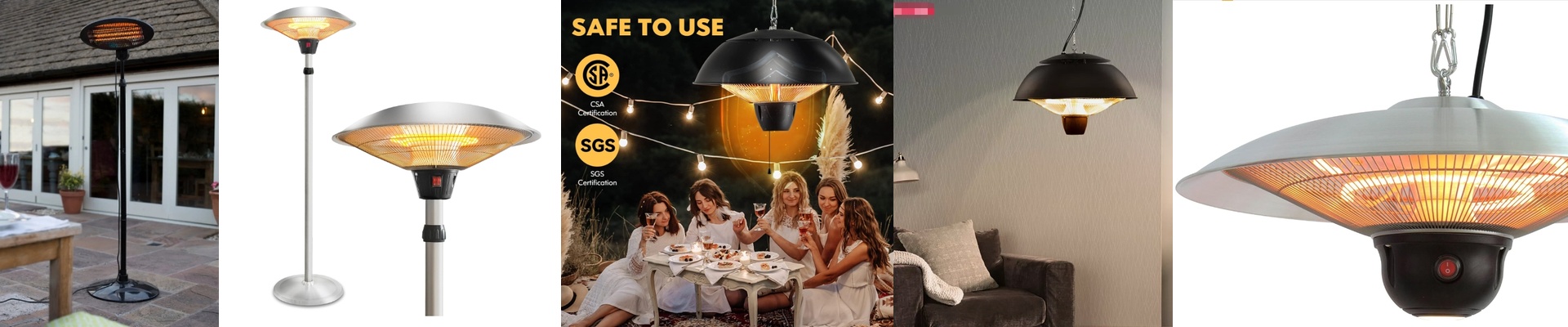
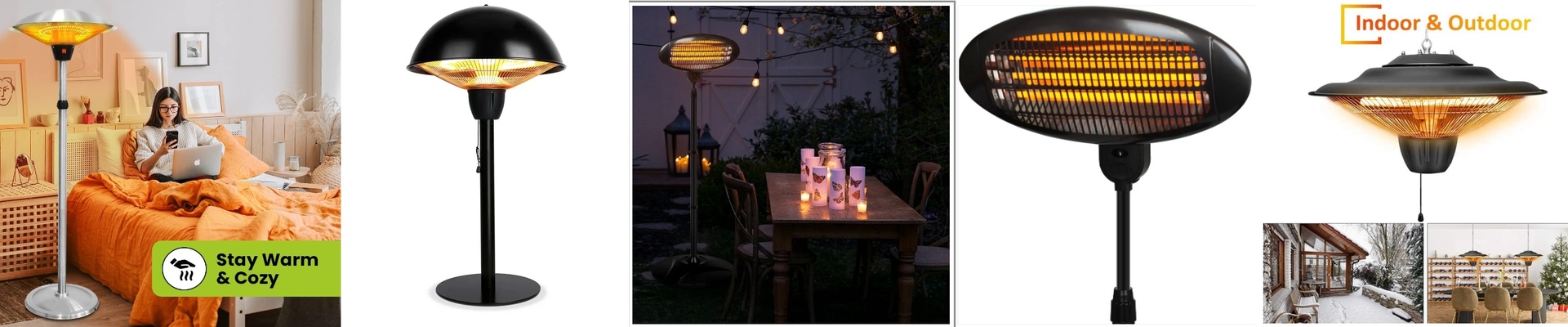
Let’s get straight to it. We make wall-mounted infrared fireplaces, and they work in a completely different way than you might be used to. These aren’t about pushing warm air around. Their whole purpose is to send infrared energy directly to the people and objects in the room. So on a bitter winter day, you feel that warmth on your body—especially on your hands and feet—without having to wait for the whole room’s air to heat up. It’s a kind of focused, personal comfort.
The Power Behind the Warmth
Here’s the thing about how these heaters actually work. It all comes down to power and the electrical setup. Inside, we use a high-temperature quartz element that puts out serious shortwave and medium-wave radiation. That’s why the design is so clean and high-wattage—the element simply has to get incredibly hot to create that powerful, radiant heat. Then there’s the voltage. It’s all about what you’re wiring it up to—standard home power or a higher-voltage industrial line. A lot of people choose the higher-voltage option, and here’s why. It means you can run the same power with less current. That lets you use smaller wiring and cuts down on voltage drop over the distance. It’s a practical detail that makes a big difference when you want steady, reliable heat from a single circuit.
The Heart of the Machine
The quartz tube isn’t just a shell. It’s the beating heart of the whole system. It can handle the shock of heating up and cooling down over and over again without cracking under the pressure. Inside, a halogen gas fill keeps the filament stable, which means you get consistent heat output over time—no hot spots, no surprises. And the wall mount? That’s about engineering, not just looks. The bracket and housing are built to handle thermal expansion and vibration without ever loosening up. This keeps the heater exactly where you want it, so the warmth stays focused and doesn’t drift after all those heating cycles.
How It Actually Feels
Radiant heat is a direct thing. It warms your skin and your clothes directly, instead of trying to heat every cubic inch of air in the room. When you’re standing in that sweet spot, your body absorbs the infrared energy, which helps with that deep, cold feeling in your extremities. It even helps your body with microcirculation, keeping surface tissues warmer so your blood vessels don’t clamp down. But there is a trade-off: direction. These heaters are most effective within their beam. So if you want comfort across a whole room, you need to plan where to place them. You still need to manage the ambient temperature, of course, to keep that warmth from escaping through uninsulated walls. But the result is a kind of warmth that feels immediate, personal, and genuinely comforting.