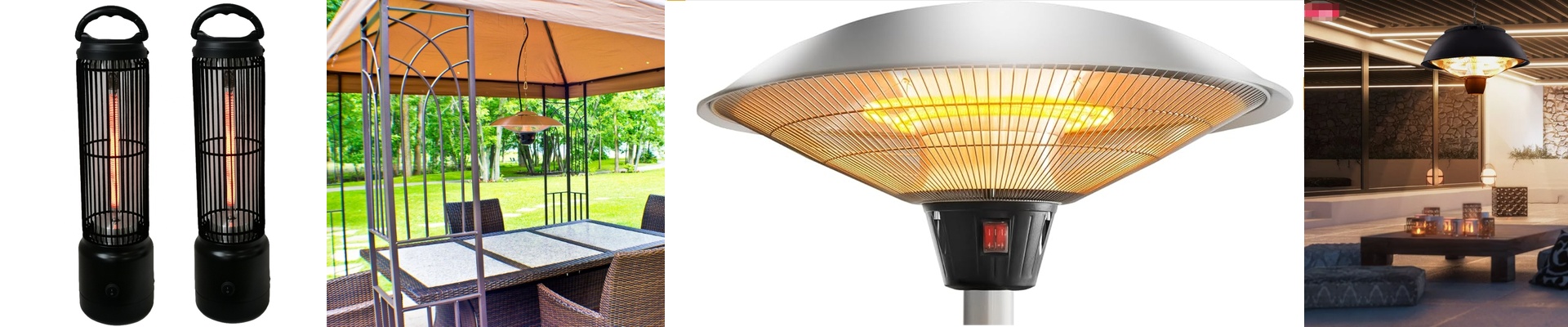
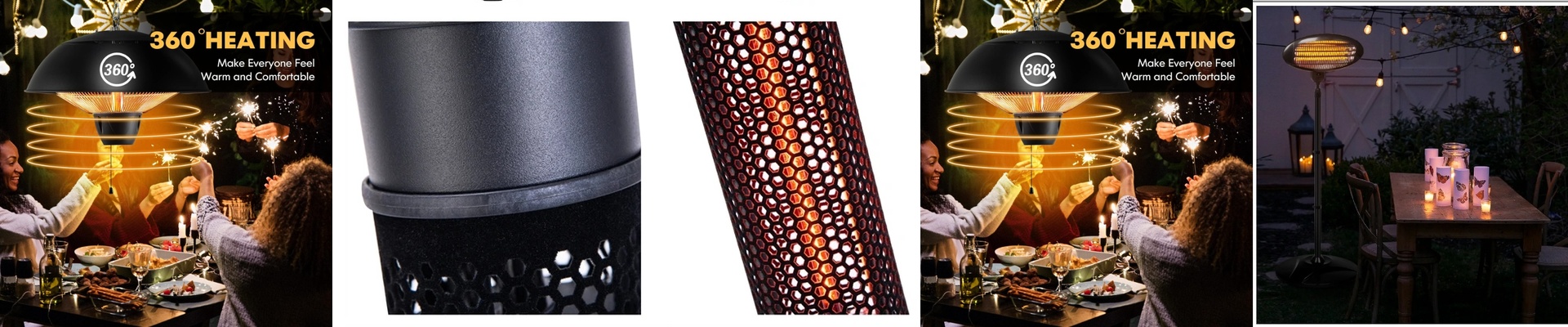
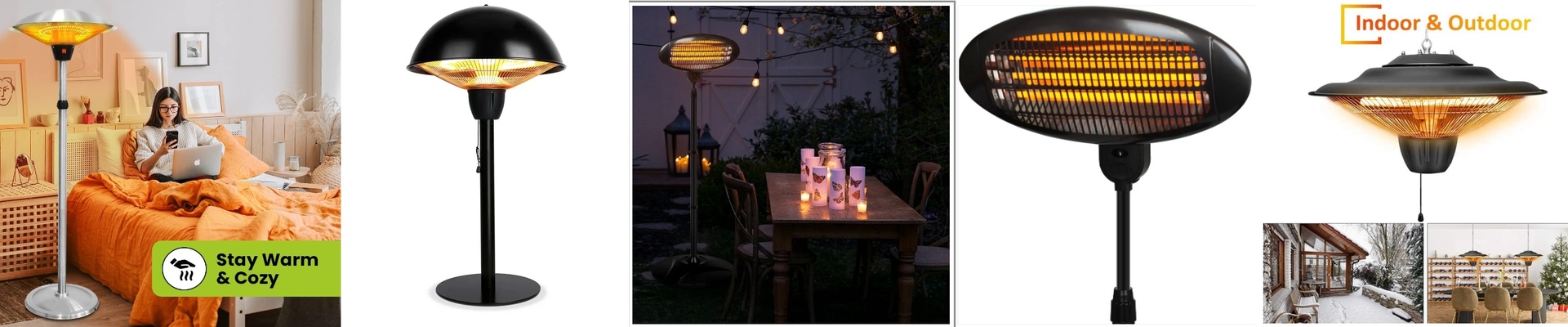
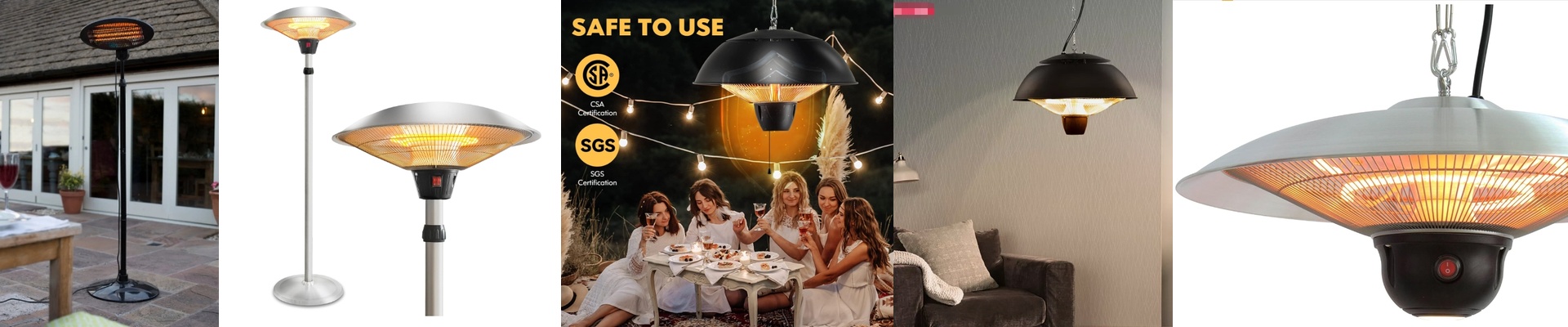
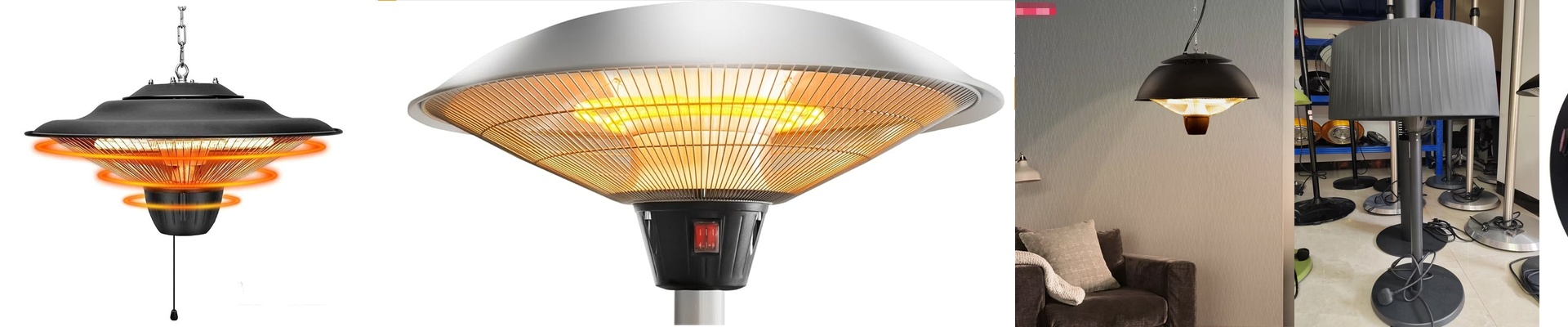
Corner Fireplace Heaters: Finally, a Fix for Glass-Heavy Attics That Feel the Chill
Ever try to heat a loft or sunroom that’s basically all windows? You know the feeling. You turn on a standard heater, the air warms for a minute, and then… whoosh. It’s gone, right out through the glass. Frustrating. We built our corner fireplace heaters for exactly these kinds of tough, drafty spaces. The secret? Infrared. Instead of wasting energy warming air that just runs away, it radiates heat directly onto what matters most—you, the furniture, the floor. The warmth sticks. Even in a room with huge glass walls that seem to fight you every inch of the way.
Power and Physics: Warmth That Actually Reaches You
Here’s the heart of the system: a serious infrared heating tube. We’re talking high output—typically between 2500W and 3000W, running on a standard 230V or 400V circuit. Why so much power? It’s what it takes to punch through that cold layer on the glass and warm up the solid stuff inside. The tube’s length is matched to the heater’s footprint, so the heat spreads wide and even across the corner. No cold spots. Just steady, reliable warmth.
Built to Last: The Quartz Core and Rugged Connections
The tube isn’t made from ordinary glass. It’s quartz. That matters when you need something that can handle being switched on and off quickly and run at high temps without falling apart. Inside, a halogen-filled atmosphere protects the filament, which helps keep the output steady and extends the life of the unit. And the connector? It’s an R7s base—industrial-grade, built for high current. It locks in tight, handles the vibration and thermal expansion of daily use, and won’t arc or fail when things get hot.
Real-World Performance: Warm Floors, Cozy People
In an attic sunroom, this setup just works. The infrared energy targets the floor, the furniture, and the people in the room—not the air. So you actually feel warm at floor level, even with a lot of glazing. The corner design is smart, too. It saves floor space and directs the radiation pattern across the room where you need it. One thing to keep in mind: it’s line-of-sight. If something’s in the beam’s shadow, it won’t get as much warmth. So you’ll want to plan placement to cover your main living areas. The payoff? A focused, energy-efficient way to heat the space that makes it usable—no matter how cold it gets outside.