
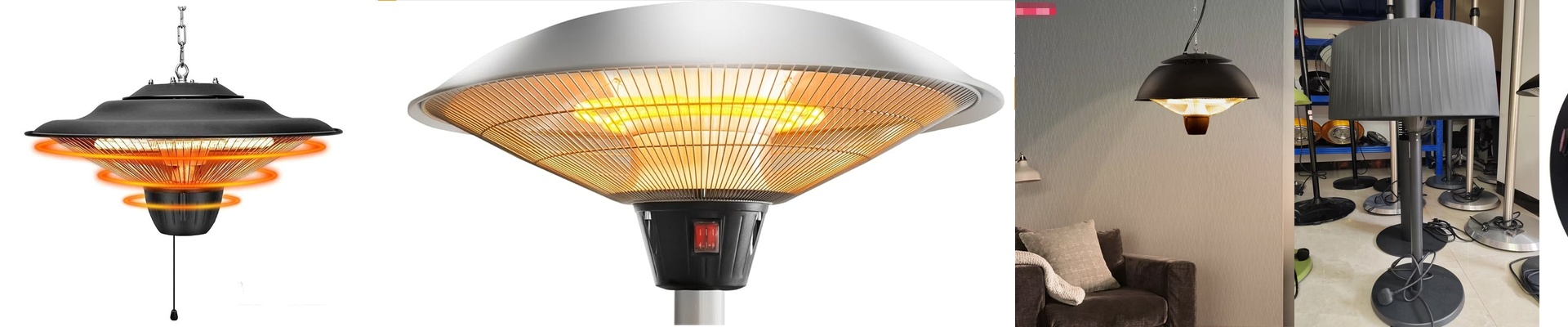

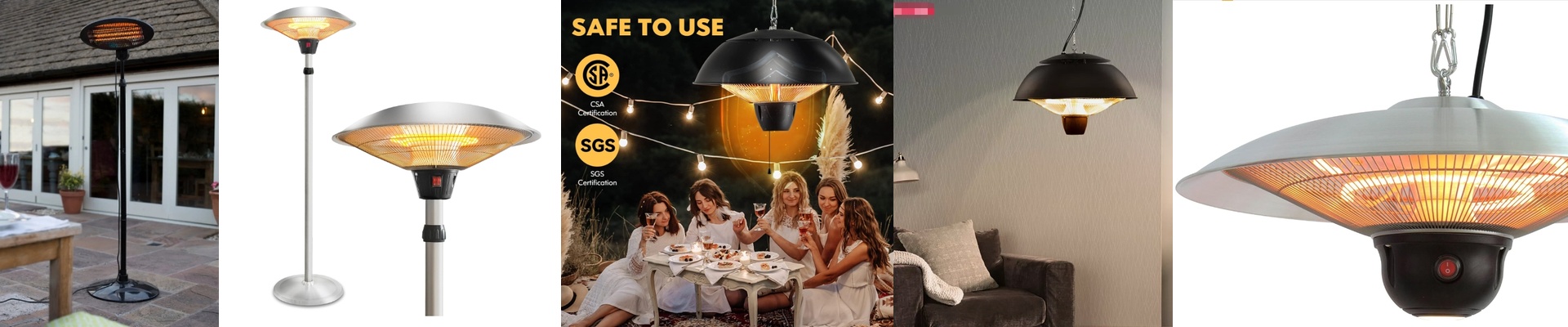
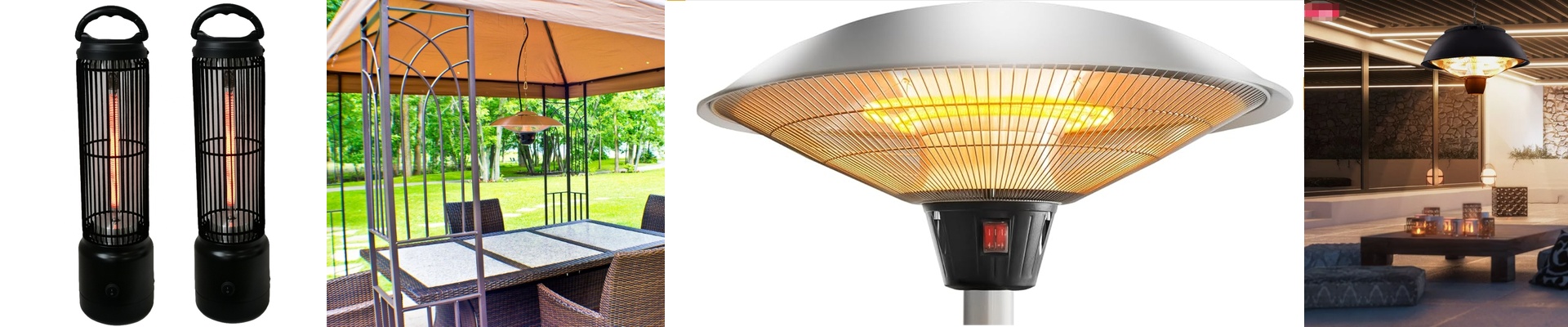
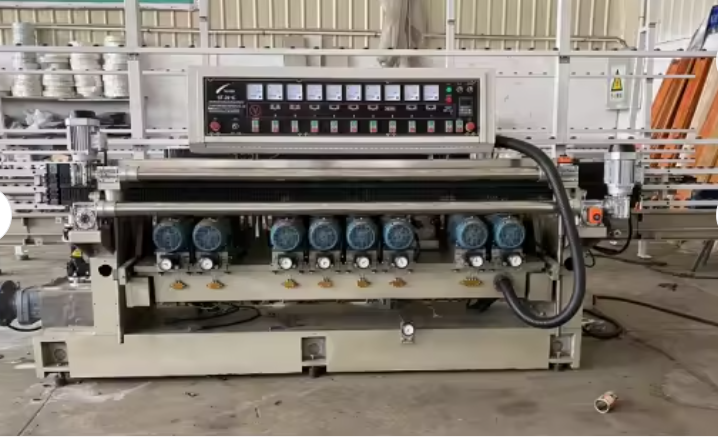
Cutting through ultra-thick glass is a brutal process. If you’ve ever tried to score a cold, heavy slab, you know exactly what I mean. The friction is intense, the mechanical stress is huge, and your cutting wheel just takes a beating. You end up with blades that wear out way too fast and cracks that go wherever they feel like going. It’s frustrating. To fix this, we use high-penetration infrared (IR) heating lamps to soften the glass right where the cut needs to happen. Here’s the thing about heat: standard heaters only warm up the surface. That doesn’t do much for a thick slab. But shortwave IR is different. It sinks deep into the glass rather than just kissing the top layer. By warming up that specific path, we change how the glass behaves. It becomes less brittle and a bit more “plastic.” When the cutting wheel finally hits that softened line, it doesn’t fight the material—it just glides. And your tools will thank you for it. When you aren’t fighting the full rigidity of the glass, your cutting wheels last significantly longer. You stop seeing those premature chips or burn-outs. Instead, you get a clean, predictable score. That means fewer ruined slabs and a lot less wasted money. But it’s not as simple as just cranking up the heat. These IR lamps are powerful. If you let the lamp linger on one spot for too long, you’ll create a “hot spot.” That kind of thermal stress is dangerous; the glass could literally snap on its own while it’s cooling down. You have to be precise. The lamp has to move in perfect sync with the cutting head. Plus, you can’t ignore the heat buildup around the lamp housing. If your cooling system isn’t up to the task, you’re looking at melted wiring or fried sensors. It’s a balancing act, but when it’s dialed in, the results are night and day.