The Tug-of-War Between Crisp Prints and Strong Glass
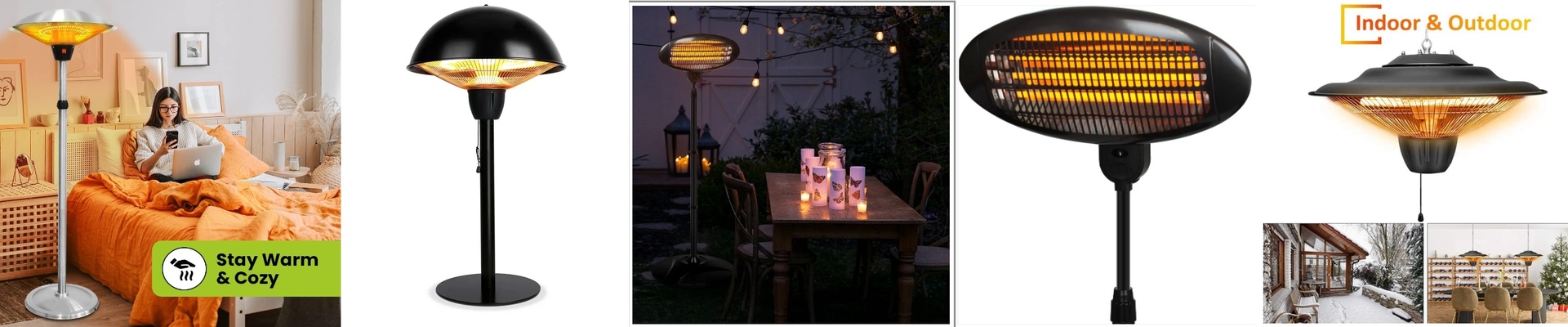
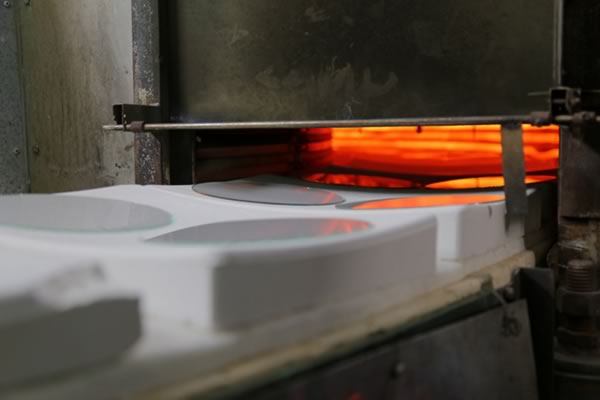
When you’re tempering glass right after screen printing, you’re basically walking a tightrope. You need a heat curve that’s just right. If you take it too slow, your ink starts to bleed and you lose those sharp lines. But if you crank the heat up too fast? You’re looking at thermal shock or uneven stress across the pane. Not a great look. To stop that from happening, we use shortwave quartz halogen emitters.
Getting the Heat Where it Matters
Here’s the thing about shortwave infrared (IR): it doesn’t mess around. It dives straight into the glass surface. Unlike convection—which is basically just blowing hot air—these emitters push energy directly into the material. By tweaking the wattage and voltage of the bulbs, you can control exactly how fast things ramp up. High-wattage tubes give you the punch you need to set the ink instantly. It stops that annoying “blurring” effect you get when the heating cycle drags on too long.
Why the Glass and Gas Matter
We build these lamps with high-purity quartz. Why? Because quartz can handle the wild thermal expansion that happens when you’re cycling heat rapidly. Inside, there’s halogen gas. Its job is to keep the tungsten filament from evaporating and gunking up the walls of the tube. That keeps the light clear. If the tube starts to black out, your heat distribution goes wonky. You’ll end up with “cold spots,” and that’s usually when the glass snaps during the quench.
The Trade-offs (The Real Talk)
Now, this kind of heat density is incredible, but it’s a heavy lift for your power supply. When you wire up a bank of these high-voltage lamps, your controllers have to be ready for some serious current spikes. And you’ve got to keep an eye on the heat around the housing. If your cooling fans quit, your sockets will melt long before the bulbs even think about burning out. One last tip: the distance between the emitter and the glass is everything. If you’re too close, you’ll scorch the print. Too far, and you’re just wasting energy. You have to find that sweet spot to get the cure right without ruining the art.