Stop Fighting Your Heating Tubes
Most batch furnace setups start the same way: you buy a handful of single infrared lamps, wire them up by hand, and just hope the heat hits the part evenly. I’ve seen too many engineers spend their entire afternoon fighting with alignment and tangled wiring looms on a crowded shop floor. It’s frustrating, it’s slow, and frankly, it’s a waste of your time. That’s why we stopped just selling parts and started building integrated, curved heating modules.
Why a module beats a lamp
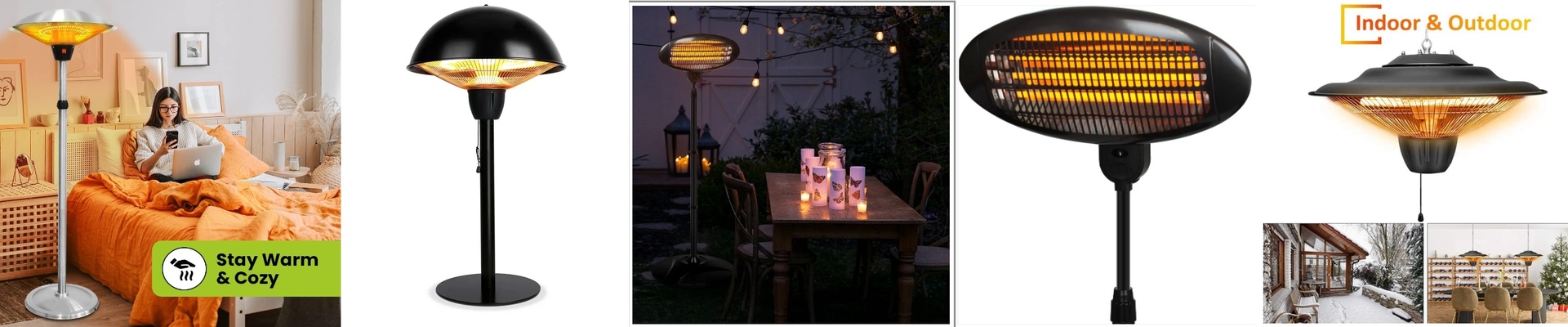
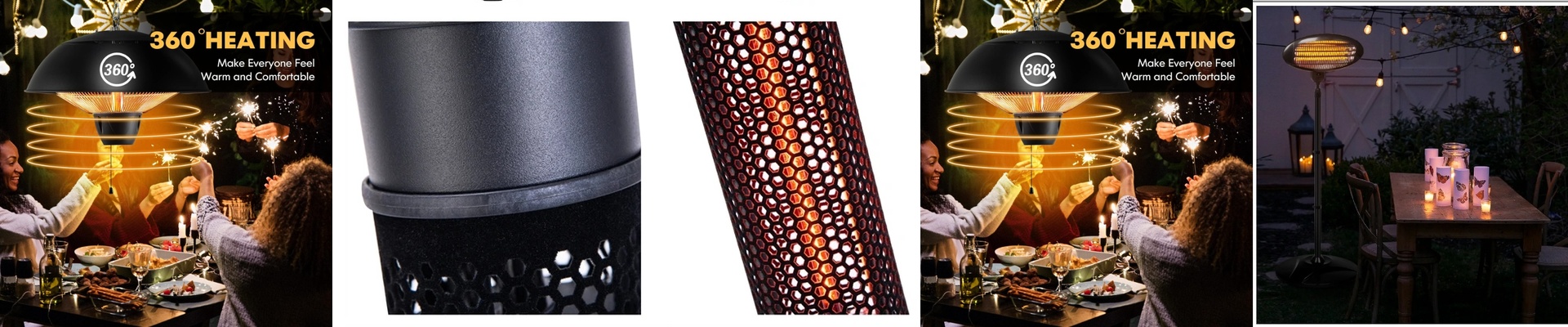
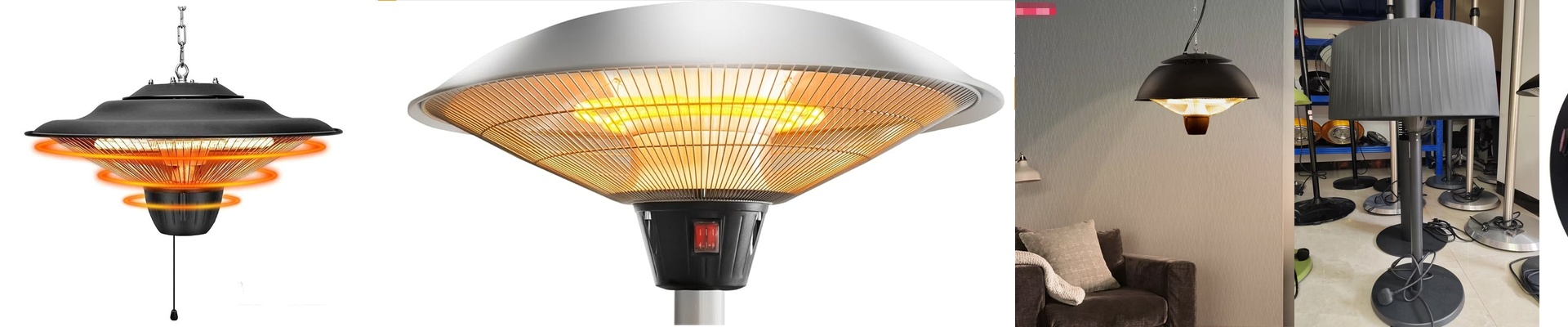
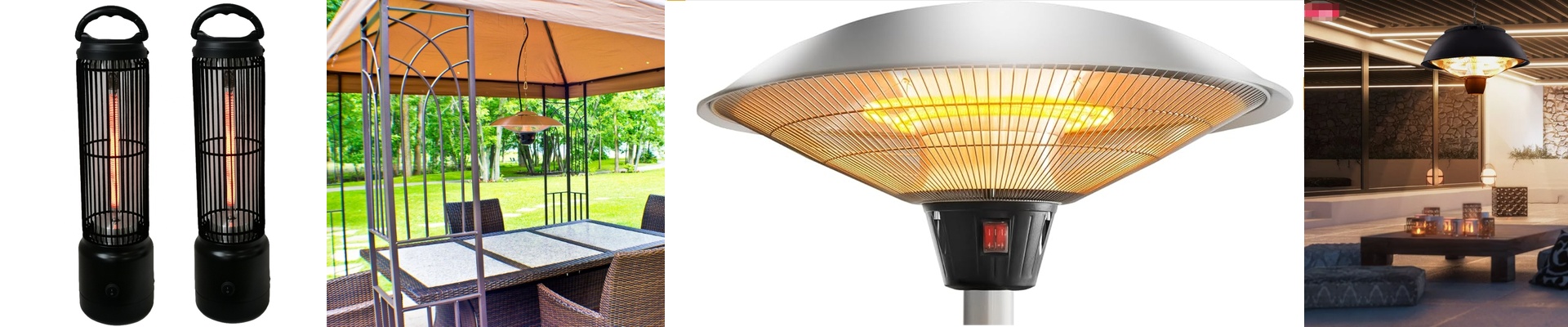
Think of it this way. A single lamp is just a part. But a module? That’s a system. We take those quartz or halogen tubes and mount them into a pre-bent chassis. This means the heat actually follows the curve of your workpiece. When you go with a turnkey module, you aren’t guessing about focal lengths or worrying about “dead zones” where the heat doesn’t reach. It just fits.
The tricky part: Heat density
Now, here’s the catch. We usually spec these for high wattage because nobody likes waiting for a furnace to warm up. But pushing that much power through a curve creates a hotspot right at the bend. If your cooling fans aren’t up to the task, those mounting points can burn out way too fast. To stop that from happening, we use specialized coatings and reinforced reflectors. It basically pushes the IR energy toward your part and keeps it away from the frame.
Less time swearing at the cabinet
The best part, though, is the installation. Since the wiring and connectors are already built-in, it’s a drop-in replacement. You don’t have to bend tubes or try to solder connections while crammed inside a hot furnace cabinet. You just plug it in, bolt it down, and flip the switch. It gets rid of those annoying first-run errors—like electrical shorts or uneven patches—that usually happen when you’re trying to build everything from scratch on-site.