


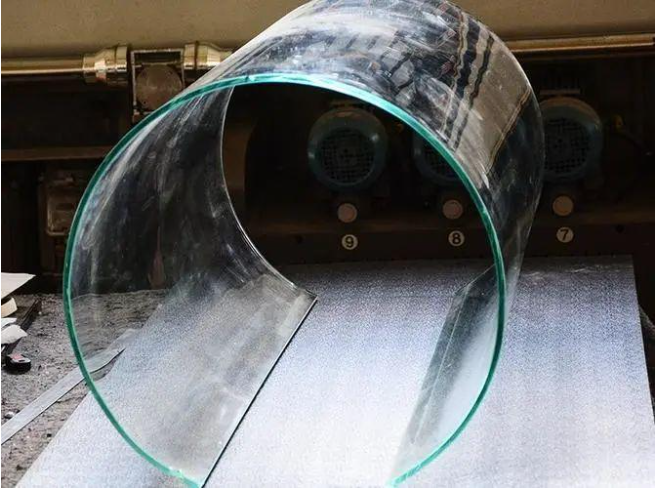
Stop Fighting Your Glass: A Better Way to Cut Ultra-Thick Plates
If you’ve ever tried to score ultra-thick glass cold, you know it’s a nightmare. It’s a constant battle. Your cutting wheels take a brutal beating, you end up with jagged, ugly edges, and you’re replacing tools way more often than you’d like. The problem is simply that the glass is too stubborn. We found a way around this using short wave quartz infrared lamps. Instead of forcing the wheel to do all the heavy lifting, we pre-heat the cutting path. Why short wave IR? Most heat just sits on the surface—like a sunburn. But short wave IR is different. It actually punches through the glass. It gets deep into the material and softens the molecular structure right along the score line. You aren’t melting the glass, but you’re taking the edge off that internal tension. Suddenly, the cutting wheel doesn’t have to fight; it just glides. It feels less like carving stone and more like… well, actually cutting. The gear you’ll need We use high-purity quartz tubes because the heat density is intense. These things are snappy. You can cycle the power on and off quickly as the cutting head moves, which is exactly what you need for a clean run. But here’s the trick: you have to balance your wattage with your conveyor speed. If you dump too much heat into one spot, you’ll get thermal shock. Then you’ve got a cracked plate and a bad day. You’ll want a solid PID controller to keep the temperature in that sweet spot—warm enough to soften, but not so hot that the glass starts to deform. Saving your tools (and your sanity) The best part? Your cutting wheels last way longer. Because the IR does the hard work of softening the glass, there’s less friction and far fewer micro-chips. You aren’t grinding the wheel down to nothing in a few shifts. Just a heads-up: these lamps get scorching hot. Don’t skimp on the housing. Make sure you have proper heat shielding so you don’t warp your machine frame or fry your wiring. And for heaven’s sake, use high-temp leads. Nobody wants to deal with melted insulation in the middle of a production run.